write a book for me, chapter at a time. its called SECONDEVE and it’s about a girl who was cloned 8 months prior to birth; evey and eve were ‘born’ one month apart, their senses are intermingled, their toughts interwoven. Each completes the other’s sentences, ideas, responses. It’s uncanny. This could seemingly wreck their lives except that they learned to cope early on. Continue from there in mad-libs fashion.
SECONDEVE
Chapter One: One Month Apart
Evey was born first, which everyone agreed was impossible.
Eve arrived twenty-nine days later, quiet as a secret and blinking like she’d already seen the room.
Their mother, Mara, used to say the girls came into the world like a sentence split in half.
Evey began it.
Eve finished it.
“Don’t touch—”
“—the blue wire,” Eve would say from another room.
“I want—”
“—toast, but not burned,” Evey would answer, eyes still closed.
At first, the doctors called it mimicry. Then coincidence. Then environmental bonding. Then, after the seventh monitored incident, after Eve described
the taste of the strawberry Evey was eating three floors away, they stopped calling it anything in front of Mara.
By age four, the twins knew pain could echo.
If Evey scraped her knee, Eve hissed and grabbed hers.
If Eve bit into lemon, Evey’s mouth filled with bright sour lightning.
If one dreamed, the other woke with images clinging to her like cobwebs: a red hallway, a door without a knob, a woman singing under water.
They were not twins, technically.
That mattered to scientists, lawyers, and the kind of adults who liked filing things into boxes.
To Evey and Eve, it mattered less.
They were sisters.
They were almost one person.
They were absolutely not one person.
This was the first rule they made for themselves.
The second rule was: Say “mine” when something is yours.
“My hunger,” Evey would say.
“My anger,” Eve would correct.
“My crush,” Evey whispered at twelve, mortified.
“My embarrassment,” Eve groaned from across the cafeteria.
The third rule was harder: Do not answer before the other person speaks.
They practiced it like piano.
Pause.
Breathe.
Wait for the mouth to open.
Let the world believe in distance.
By sixteen, they were good enough to seem merely strange.
Evey wore her hair short and silver-blonde, because Eve hated the feeling of hair on the back of her neck but loved seeing it on Evey. Eve kept hers long and black, because Evey liked brushing it when she was anxious. They dressed differently on purpose. Spoke differently on purpose. Chose different favorite colors, different handwriting, different seats in class.
Evey was the spark.
Eve was the shadow that knew where the spark would land.
Or maybe that was too simple.
Some days Eve burned first.
Some days Evey followed.
They had learned to cope early because no one else could teach them how.
Their father had tried charts.
Their mother had tried prayers.
The doctors had tried isolation, which lasted eleven minutes before both girls started screaming words neither of them had learned yet.
After that, Mara took them home and fired everyone.
“Whatever you are,” she told them, kneeling in the hallway between their bedrooms, “you are not broken.”
Evey had looked at Eve.
Eve had looked at Evey.
Together, they said, “We know.”
And mostly, they did.
Until the letter arrived.
It came on a Thursday in late October, folded into a cream envelope with no return address and delivered by a courier who would not step past the gate. Mara took it with two fingers, as if it might bite.
Evey felt the paper before she saw it.
Cold.
Dry.
Wrong.
Across the house, Eve dropped a glass in the sink.
“What is it?” Evey called.
Eve answered from the kitchen.
“I don’t know.”
But they both did.
Because under the seal, beneath the thick paper and expensive ink, something was waiting.
Not a thought.
Not a feeling.
A third presence.
Small.
Familiar.
Awake.
chapter 2 is them in their late 20s after college, go
SECONDEVE
Chapter Two: After the Leaving
By twenty-seven, Evey and Eve had mastered distance well enough to fool strangers, employers, lovers, and once, briefly, themselves.
College had helped.
Not because it separated them. Nothing did that. Not entirely.
But college gave them vocabulary.
Neuroscience called it cross-sensory bleed.
Psychology called it enmeshment.
Philosophy called it a crisis of selfhood.
Evey called it Tuesdays.
Eve called it rent.
They had gone to different schools in the same city, exactly four subway stops apart. Far enough to prove a point. Close enough that if one panicked, the other could arrive before the panic found language.
Evey studied architecture because buildings obeyed gravity and intention. Eve studied linguistics because language was the closest anyone had come to mapping thought without cutting the skull open.
They graduated one month apart.
Of course.
Now they lived in adjoining apartments in an old brick building that smelled like rain, dust, and someone else’s soup. There was a door between their kitchens the landlord didn’t know about. They almost never used it.
Almost.
Evey designed temporary structures for disasters: emergency shelters, flood platforms, modular clinics that unfolded like paper birds. Eve worked as a
translator for legal cases, medical boards, asylum hearings—places where one wrong word could break a life.
They were useful.
They were stable.
They were nearly normal.
“Nearly is doing a lot of work,” Eve said one morning, standing barefoot in her kitchen.
“I didn’t say that out loud,” Evey called through the wall.
“You thought it loudly.”
“Stop listening.”
“Stop broadcasting.”
There was a pause.
Then both of them said, “Coffee?”
They laughed, but softly. Adult laughter. Practiced laughter. The kind that knew not every uncanny thing had to become a crisis.
Their rules had evolved.
Rule one: Mine means mine.
Rule two: Silence is allowed.
Rule three: No entering dreams without permission.
Rule four: If one of us falls in love, the other gets warning labels.
That last rule existed because of Milo.
Milo had been Evey’s first serious boyfriend and Eve’s least favorite migraine. He wore sandalwood cologne, kissed like he was asking a question, and
had the emotional depth of a decorative bowl. Evey adored him for seven months. Eve endured secondhand affection, secondhand irritation, and once,
memorably, secondhand food poisoning from oysters she had not eaten.
After Milo came Saanvi, who loved Eve and liked Evey until she realized liking Evey meant sharing emotional weather with a woman she was not dating.
“You’re not two people,” Saanvi had said during the breakup.
Eve had gone very still.
Evey had felt it from four stops away: the blade going in.
“No,” Eve said. “We’re two people with bad wiring.”
Saanvi cried.
Eve did not.
Evey did, privately, for both of them.
By their late twenties, romance had become something they approached like bomb disposal.
Carefully.
With tools.
From a distance.
Work was easier. Work had contracts, deadlines, email threads. Work did not ask whether the person gasping in the middle of the night was remembering
your dream or having her own.
Then, on the first Monday of November, Evey woke with someone else’s hand in her chest.
Not Eve’s.
She knew Eve’s mind the way a person knows her own childhood bedroom in the dark: every corner, every creak, every hidden drawer.
This was different.
This was small.
Familiar.
Awake.
Evey sat up so fast her blanket fell to the floor.
Across the wall, Eve whispered, “You felt it too.”
The old door between their kitchens opened before either of them remembered deciding to move.
They met in the threshold: Evey in an oversized college sweatshirt, Eve in black silk pajama pants and a tank top, both pale, both silent, both
listening inward.
For a moment, neither completed the other.
Neither dared.
Then Eve said, “It’s back.”
Evey shook her head.
“No.”
But the denial belonged to both of them, and so did the fear.
Eight years earlier, the letter had led to a clinic that did not exist, a doctor who had died twice on paper, and a file with three names printed
under the heading VIABLE SUBJECTS.
EVEY MARA VALE.
EVE MARA VALE.
And beneath them, a third:
EVANGELINE MARA VALE.
No birth date.
No photograph.
Only one note.
Deferred.
They had spent years trying to prove the file was fake. Years trying not to think about what deferred meant. Years rebuilding their lives around the
careful belief that whatever had begun before their births had ended with them.
Now, in the quiet kitchen light, Evey tasted copper.
Eve smelled antiseptic.
And somewhere impossibly far away—or impossibly near—a girl they had never met began to cry with their mouth.
chatper 3 is them at 8, the early nancy-drew years. go
SECONDEVE
Chapter Three: The Early Nancy-Drew Years
When Evey and Eve were eight, they became detectives.
This happened because Mara hid the locked box on the top shelf of the hall closet and then said, very carefully, “Do not touch this.”
Which was not enough information.
“Do not touch means—”
“—touch later,” Eve whispered.
“Investigate first,” Evey corrected.
They called themselves the Vale & Vale Detective Agency, though neither could agree who got first billing. Evey made badges out of cereal boxes. Eve
wrote CASE FILES in purple marker across a school notebook and drew a magnifying glass that looked like a lollipop.
Their first cases were small.
The Case of the Missing Blue Sock.
The Mystery of Mr. Bell’s Vanishing Cat.
The Secret of the Basement Smell, which turned out to be potatoes and ended with both girls banned from “conducting interviews” with plumbing.
But the locked box was different.
The locked box gave off weather.
Not real weather. Evey and Eve knew the difference. Real weather lived in the skin: damp air, thunder pressure, the bright itch before snow.
This was inside weather.
A hush.
A pull.
A feeling like someone had said their names in another room, then stopped.
At eight, they were still bad at pretending.
They finished each other’s answers in class. They cried during shots no matter which one got the needle. They both got hiccups when Eve lied, even if
Evey was telling the truth.
So Mara had taught them games.
The Quiet Game: sit across from each other and think of blank white paper.
The Mine Game: hold an object and say, “My marble,” “my spoon,” “my fear.”
The Door Game: imagine a door in the mind and practice closing it gently, never slamming.
“Slamming hurts,” Mara said.
They knew.
But detective work required open doors.
On Saturday, while Mara was in the garden, Evey stood on a chair in the hall closet. Eve stood below with the notebook.
“Status?” Eve whispered.
“Dusty.”
“Observation: subject reports dust.”
“Stop writing everything.”
“Observation: subject is bossy.”
Evey reached higher.
The tips of her fingers brushed cardboard.
Both girls inhaled.
The box was cold.
Not closet-cold.
Memory-cold.
Evey dragged it down, and Eve caught one corner before it fell. For a second they both saw something that was not there: white lights, silver
scissors, a woman’s gloved hand, a tiny heartbeat speaking in two places at once.
Then it vanished.
Eve dropped the notebook.
Evey said, “We should put it back.”
Eve said, “We should open it.”
Both were true.
That was the trouble with being them. Sometimes fear belonged to one sister and bravery to the other, but their feet had to choose together.
The lock was small and brass. Eve found the key in seven minutes because Mara, though brilliant in many ways, still kept “secret” keys in the blue mug
above the fridge.
Inside the box were three things:
A hospital bracelet too small for a doll.
A photograph of Mara younger and thinner, asleep in a bed with wires taped to her skin.
And a cassette tape labeled in black ink:
SECOND EVE — SESSION 4
Evey touched the bracelet.
Eve touched the tape.
A sound moved through them.
Not a voice.
Almost a voice.
Evey’s eyes filled with tears.
Eve’s mouth said, “Don’t cry.”
“I’m not.”
“I am.”
“Oh.”
They sat cross-legged in the hallway, knees touching, surrounded by dust and evidence.
“What’s second eve?” Evey asked.
Eve stared at the label.
“Maybe me.”
“No,” Evey said quickly.
“Maybe you.”
“No.”
They looked at each other, horrified by the same thought arriving from opposite sides.
“Maybe—”
“—there was another.”
The front door opened.
Mara called, “Girls?”
The box sat between them like a tiny grave.
For once, neither sister knew what to say first.
c 4 is them in their 60s faced with harsher realities
SECONDEVE
Chapter Four: The Harsh Arithmetic
At sixty-three, Evey lost Eve for eleven minutes.
Not died.
Not disappeared.
Lost.
There was a difference, though no doctor understood it.
One moment Eve was in the next room arguing with the kettle because it clicked too loudly, and the next the world inside Evey went blank on one side.
No echo.
No second breath.
No soft correction arriving before the mistake.
Just Evey, alone in her own skull for the first time in sixty-three years.
She dropped a mug.
Eve dropped too.
By the time the ambulance came, Eve was awake but slow, her left hand refusing instructions. Evey sat beside the stretcher with one palm pressed to
her own chest, as if she could hold the channel open by force.
“Say something,” Evey whispered.
Eve’s mouth moved.
Nothing came.
Then, faintly, inside Evey:
Don’t make that face.
Evey laughed once, badly, and began to cry.
The doctors called it a minor stroke.
The sisters called it the first theft.
Age had been abstract until then. A nuisance. A stack of pills. Reading glasses. Joints that predicted rain with insulting accuracy.
But this was different.
Their connection had always made them feel like cheating. Two minds against one world. Two memories for every loss. Two bodies to catch the same
falling life.
Now the math had changed.
Two bodies meant two chances to fail.
Two nervous systems meant twice the betrayal.
When Eve forgot a word, Evey tasted panic before Eve showed it. When Evey’s hands trembled, Eve felt the ghost-shake in her own fingers. Pain no
longer echoed cleanly; it pooled, confused and amplified, until neither could tell whose hip hurt, whose grief started first, whose exhaustion
belonged where.
They had spent childhood learning separation.
They spent old age learning mercy.
“Mine,” Eve would say, touching her temple after a bad morning.
“Yours,” Evey would agree, though she felt it too.
Some days Eve’s thoughts frayed at the edges. Some days Evey pretended not to notice. Some days neither pretended, and they sat together in the
kitchen with the secret door open, old women in soft socks, holding hands like frightened children.
They had never married.
Not for lack of love.
There had been people. Good people. Patient people. People who tried. People who left gently. People who stayed longer than wisdom allowed.
But in the end, Evey and Eve had chosen the life no one else could survive inside.
Now that choice sat with them.
Not as regret.
As cost.
On Eve’s sixty-third birthday—one month after Evey’s, of course—a courier brought another cream envelope.
Evey knew before she touched it.
Eve knew before she turned from the sink.
For forty years, they had chased Evangeline through dead clinics, sealed records, false graves, and rumors with no bodies attached. Sometimes the
third presence flickered near. Sometimes years passed in silence. Sometimes, in dreams, a girl with their mother’s mouth stood at the end of a
corridor and refused to come closer.
The envelope contained one photograph.
Three elderly women sat on a bench by the sea.
Evey.
Eve.
And between them, impossible and unmistakable, a third face made from both of theirs.
On the back, in careful handwriting:
You are not the only ones getting older.
Eve took the photograph.
Her damaged hand shook.
Evey steadied it.
For once, neither completed the other’s sentence.
They stared at Evangeline’s lined face, at her silver hair, at the familiar tilt of her eyes.
Then Eve said, slowly, “She’s been alone.”
Evey felt the truth land between them, heavier than fear.
Not a mystery anymore.
Not a threat.
A harsher reality.
Somewhere in the world, their second self had lived an entire life without the comfort and curse of being known from the inside.
Evey reached for her coat.
Eve reached for her cane.
Their bodies protested.
Their minds did not.
After sixty-three years of being two, they were finally old enough to understand the cruelty of three.
c 5 is the girls in their teens, puberty, growth, exploration. go
SECONDEVE
Chapter Five: The Awkward Weather
At thirteen, their bodies stopped agreeing.
That was new.
Their minds had always tangled. Their senses had always crossed. Pain echoed. Dreams leaked. Hunger wandered from one stomach to the other.
But puberty arrived like weather with no map.
Evey grew first.
Eve noticed first.
“You’re taller,” Eve said one morning, accusingly.
Evey stood barefoot against the kitchen wall where Mara marked their heights in pencil. “By half an inch.”
“Traitor.”
“You’ll catch up.”
“I can feel you catching up for me.”
Evey laughed, then stopped, because Eve was right.
Growth had sensation: deep aches in the legs, skin pulled tight over new angles, a strange heaviness in the chest that belonged to one girl and
embarrassed both. Evey would wake sore, and Eve would roll over groaning. Eve would blush at nothing, and Evey’s face would go hot in math class.
They became experts in looking away.
From mirrors.
From each other.
From thoughts that arrived too quickly and wore no clothes.
Their old rules needed amendments.
Rule one: Mine means mine.
Rule two: Silence is allowed.
Rule three: Knock before entering dreams.
Rule four, added in red pen by Eve: Bodies count as private even when feelings leak.
Evey underlined it twice.
Exploration became complicated.
Other girls whispered in locker rooms, compared bras, traded lip gloss, hated themselves in clusters. Evey and Eve hated themselves in stereo, then
defended each other with a ferocity that made the feeling wobble.
“You’re not ugly,” Eve snapped.
“I didn’t say it.”
“You thought it.”
“So did you.”
“That’s different.”
“How?”
“Because I’m allowed to be wrong about me.”
That became another rule, though they never wrote it down.
They were allowed to be wrong about themselves.
They were not allowed to be cruel about each other.
At fifteen, Evey kissed Jonah behind the auditorium after rehearsal.
Eve, sitting in history class three halls away, dropped her pencil and made a sound like she’d been stung.
The kiss was clumsy, warm, terrifying. Jonah smelled like spearmint gum and rain-wet wool. Evey’s whole body lit up with surprise.
Eve’s did too.
She spent the rest of the day furious.
“That was my first kiss,” Evey said.
“It was also my mouth somehow!”
“It was not.”
“It was enough of my mouth.”
They did not speak for six hours, which for them was practically violence.
Then, at midnight, Evey tapped on the wall between their rooms.
Eve tapped back once.
“I’m sorry,” Evey whispered.
“I know.”
“I wanted something that was just mine.”
The silence after that was long and soft.
Finally Eve said, “I want that too.”
So they practiced privacy the way they had once practiced finishing sentences: badly, then better.
They learned to build doors inside themselves.
Not walls. Walls made panic. Walls made the old screaming loneliness from the isolation tests.
Doors.
A closed door meant: not now.
A locked door meant: please.
An open door meant: come help me carry this.
By sixteen, they could sit beside each other and keep secrets for almost a full minute.
It felt miraculous.
It felt sad.
Their mother watched them with careful eyes. Mara never asked more than they offered, but sometimes Evey caught grief moving across her face.
“She thinks she did this to us,” Eve said one night.
Evey stared at the ceiling. “Did she?”
Neither answered.
Down the hall, in the locked box they were no longer supposed to know about, the cassette labeled SECOND EVE waited like a tooth under the gum.
They had listened to it once.
Only once.
A woman’s voice. A machine hum. Mara crying softly. A doctor saying, “Synchronization is stronger than projected.”
Then another sound.
A heartbeat.
No—three heartbeats.
Evey had ripped the tape out before it could say more.
Now, in their teens, the third heartbeat returned sometimes during half-sleep. Not as a sound exactly. As a pull. A missing chair at a table. A name
forming behind the teeth.
Evangeline.
They did not tell Mara.
They did not tell anyone.
They were too busy becoming girls, then almost women, then something the world had no word for: two selves braided so tightly that growing up meant
learning where to cut without killing the weave.
And under all the ordinary disasters—blood, bras, kisses, jealousy, skin, shame, wanting—something else was growing too.
A question.
If Evey and Eve could feel each other changing…
who was feeling them?
c 6 they are in their 50s with joy and experience. go
SECONDEVE
Chapter Six: The Better Weather
At fifty-two, Evey and Eve discovered pleasure without urgency.
This embarrassed them more than puberty ever had.
Not romance exactly, though there was some of that. Not triumph, though there had been enough survival to make triumph seem impolite. It was smaller
and stranger: mornings that did not demand explanation, work they were good at, friends who had stopped asking how the sister thing worked and simply
made room for it.
Joy, they learned, was not the opposite of fear.
Joy was what remained when fear got tired.
Evey had laugh lines now, deep ones, because she had finally stopped treating delight like evidence of carelessness. Eve’s hair had gone silver at the
temples and then kept going, which Evey privately found beautiful and Eve publicly called “premature moon damage.”
They no longer lived in adjoining apartments. They had bought a narrow house near the river with two front doors, two kitchens, one garden, and a
hidden passage between studies that they absolutely told the contractor was for “storage.”
Their rules had softened.
Mine means mine became ask first.
Silence is allowed became silence is trusted.
No entering dreams without permission became if the dream is funny, wake me gently.
Experience had not cured them. Cure was a word other people loved.
Experience had taught them scale.
A headache was sometimes only weather.
A flash of anger was sometimes only traffic.
A sudden grief at 3:10 p.m. might be Eve remembering their mother’s hands, or Evey reading an old letter, or simply the body misplacing a season.
They had learned not to solve every feeling.
Some were meant to be hosted.
On Thursdays, they taught a private seminar at the university: “Shared Cognition, Language, and the Architecture of Self.” Students arrived expecting
a miracle or a horror story. Evey drew diagrams of thresholds and load-bearing walls. Eve dismantled pronouns until the room forgot whether “I” had
ever been simple.
After class, someone always asked, “But what does it feel like?”
Evey would look at Eve.
Eve would look at Evey.
And one of them would say, “Like being alone less often.”
The other would add, “And less completely.”
There had been losses by then. Mara first, in winter, after a brief illness she apologized for as if dying were rude. Then friends. Then chances. Then
the version of themselves who believed every mystery could be solved by enough stubbornness and a stolen key.
Evangeline remained unsolved.
But no longer untouched.
Sometimes she flickered at the edge of them: a smell of sea salt in a landlocked room, a sudden craving for pears neither sister liked, a dream of
hands older than theirs folding paper cranes by lamplight.
In their twenties, they had chased her.
In their thirties, they had resented her.
In their forties, they had grieved someone they could not find.
By fifty-two, they had learned to leave a chair open.
On the garden table, between Evey’s coffee and Eve’s tea, there was always a third cup.
Empty.
Clean.
Waiting.
“Superstitious,” Eve said the first morning Evey set it there.
“Hopeful,” Evey corrected.
“Same outfit, different shoes.”
But Eve never moved it.
That summer was golden and humid. Bees slept drunk in the lavender. The river smelled like algae and sun-warmed stone. Eve took up pottery and made
bowls that leaned dramatically to one side. Evey learned to swim properly after five decades of avoiding water because Eve hated the sensation of
drowning even in theory.
They were not young.
This was a relief.
Youth had been all entrances: first blood, first kiss, first lie, first locked door, first proof that the world had made them on purpose and then
hidden the instructions.
Fifty was rooms.
Rooms they had chosen.
Rooms they could leave.
Rooms where joy sat down without asking permission.
One evening, after a dinner with old friends, Evey found Eve in the garden under the pear tree that refused to bear pears.
“You’re happy,” Evey said.
Eve tilted her head. “Am I?”
“I think so.”
Eve listened inward, not to Evey exactly, but to the whole braided weather of them: old ache, good wine, river air, the soft animal satisfaction of
having lasted.
“Yes,” Eve said, surprised. “I am.”
Evey smiled.
Then both of them felt it.
A warmth at the edge of the mind.
Not a cry this time.
Not fear.
Not the cold hand of a file marked DEFERRED.
Something gentler.
A presence pausing at the threshold, uncertain whether it was allowed in.
Eve reached for Evey’s hand.
Evey reached back.
Together, carefully, they opened the door.
From somewhere far away, a woman they had never met began to laugh.
c 7 they are in their 40s, striving, working, yearning. go
SECONDEVE
Chapter Seven: The Useful Ache
At forty-one, Evey and Eve were too busy to be haunted properly.
That was what Eve said, anyway.
“We have meetings,” she insisted one morning, buttering toast with the grim precision of a surgeon. “Ghosts should schedule.”
“She isn’t a ghost,” Evey said.
“She isn’t punctual either.”
They were living apart again then, though only by twelve blocks and mutual stubbornness. Evey had taken a job designing resilient housing after
coastal storms began swallowing towns with bureaucratic patience. Eve had become the interpreter everyone requested when cases were impossible: asylum
hearings, medical ethics panels, testimony from people whose memories had been translated too many times before reaching the room.
They were good at their work.
Not gifted.
Not special.
They disliked those words by then.
They were practiced.
Practice was harder and more honorable.
Evey knew how to look at wreckage and see where people might sleep safely by nightfall. Eve knew how to listen between languages for the small
betrayals that happened when suffering met paperwork.
Both of them were tired in ways sleep did not fix.
Their forties were full of striving: grant proposals, aging mentors, protests, deadlines, impossible budgets, friends with children, friends with
cancer, friends divorcing in restaurants over untouched pasta. There were lovers too, though none lasted long enough to become furniture.
Evey loved a climate lawyer named Tomas for almost three years.
Eve liked his laugh and hated his cologne.
Eve loved a poet named Alina who understood silence beautifully until she realized silence did not mean privacy.
Evey admired her and resented her and once accidentally dreamed Alina’s hands for an entire week.
They tried.
That mattered.
Wanting did not vanish because it was inconvenient.
Yearning became the background music of their forties: for touch without echo, for rooms without explanation, for their mother’s voice, for
Evangeline, for a future that did not feel like repair work performed during a fire.
By then, Mara was gone.
Her death had changed the shape of the world. Not dramatically at first. There had been paperwork, casseroles, lilies, a funeral where people called
the sisters “the girls” though they were thirty-nine and standing very still in black coats.
Then, months later, the grief arrived fully.
It came through a grocery-store song Mara used to hum while burning onions.
Evey stopped in the cereal aisle.
Eve, twelve blocks away, sat down hard on a courthouse bench.
For once, neither asked whose grief it was.
Some losses were communal property.
After Mara died, they found more files.
Not hidden well. Hidden hopefully. Mara had wanted them discovered, but not too soon. That was their best guess, and they were old enough not to
forgive her completely.
There were consent forms with missing pages.
Lab reports dense with coded initials.
A photograph of Mara pregnant, one hand on her belly, the other held by a woman neither sister recognized.
And a note in Mara’s handwriting:
I thought saving one meant saving both. I did not know about the third.
Evey read it once.
Eve read it through Evey.
Then Eve said, “That’s not enough.”
“No,” Evey said.
But it was something.
In their forties, “something” had become a category they respected.
They stopped looking for a clean origin story. Origins were messy. Birth was messy. Science was messy. Love, worse. Instead they built a wall of
evidence in Evey’s spare room: names, dates, clinics, shell companies, physicians who retired too young or died too conveniently.
Eve called it the murder board.
Evey called it research.
Both called it Evangeline when they were too tired to pretend.
The third presence came and went.
Sometimes it was only static.
Sometimes a sudden pressure behind the eyes.
Once, during a thunderstorm, both sisters heard a woman humming the same song Mara used to burn onions to, and Eve threw a mug at the wall.
“I’m tired of almost,” she said.
Evey swept up the pieces.
“I know.”
“No. I am tired of being brave about absence.”
Evey stopped sweeping.
That sentence stayed with them.
It changed the work.
They hired investigators. They filed petitions. They used contacts they had earned honestly and favors they did not like owing. They became difficult
women in waiting rooms. Persistent women on phone calls. Middle-aged women with folders, comfortable shoes, and the lethal patience of people who had
already survived the worst explanation.
They did not find Evangeline.
Not then.
But they found the sea.
A post office box in a coastal town neither had visited. A record of payments under a name that meant nothing until Eve translated it badly from an
old dialect and Evey realized it was not a name at all.
Second harbor.
Second haven.
Second Eve.
They drove there in November.
The town was mostly gulls, salt, shuttered shops, and houses hunched against wind. Evey loved the roofs. Eve hated the smell. Both felt the pull
before they reached the water.
At the end of the pier stood a bench.
On the bench sat three paper cranes weighted down with stones.
No note.
No woman.
Just the cranes, trembling in the wind like things that wanted to fly but had learned caution.
Evey picked one up.
Eve picked up another.
The third they left where it was.
For her.
That night, in a rented room above a closed bakery, they dreamed together for the first time in years without permission or apology.
They stood on a shore beneath a white sky.
Far down the beach, a woman walked away from them.
Not young. Not old. Not ready.
Evey called, “Wait!”
Eve called, “Please.”
The woman stopped.
She did not turn around.
But they heard her, clear as a thought and separate as thunder.
Not yet.
When they woke, both were crying.
Both were angry.
Both were, impossibly, relieved.
Their forties did not give them answers.
Their forties gave them stamina.
They returned to their work, to petitions and damaged houses and trembling witnesses, to lovers who tried, to grief that ripened instead of fading.
They carried yearning like a useful ache, the way the body carries hunger: proof something still wanted to live.
And somewhere beyond the reach of records and roads, Evangeline had finally spoken.
Not enough.
Something.
c 8 is their wombly experience, prebirth, what led up to them. go
SECONDEVE
Chapter Eight: Before Breath
Before they had names, they had weather.
Not sky-weather. Not rain or thunder or the hard blue silence of winter.
Womb-weather.
Pulse. Tide. Heat. Hush.
A red world without edges.
Evey was first a flicker.
Eve was first an echo.
Then the echo answered.
No one outside understood the beginning. They had charts, scans, projected viability curves, notes written in careful professional cowardice.
Embryonic division delayed.
Secondary activation anomalous.
Synchrony measurable.
Maternal consent incomplete.
But inside, there were no forms.
Inside, there was only Mara’s heartbeat: enormous, patient, everywhere.
And beneath it—
One small rhythm.
Then another.
Then a third, waiting.
Mara did not know she carried three possibilities.
Not at first.
She knew only what the doctors told her: that the experimental correction had worked, that the damaged embryo had stabilized, that one child might
survive where none had been expected.
She signed where they pointed because hope makes a hand obedient.
Later, she would hate herself for that.
Later, she would learn that saving is not the opposite of changing.
In the beginning, the clinic called the project EVE because men in clean coats loved myth when it made them feel like gods.
Then came the anomaly.
A cell line that should have gone quiet did not.
A backup that should have remained theoretical began to grow.
A second Eve.
A second chance.
A second subject.
Mara slept under soft restraints after the procedure, dreaming of a garden she had never seen. In the dream, two girls ran ahead of her through tall
grass, finishing each other’s laughter.
Behind them, at the tree line, a third child watched.
When Mara woke, she was crying.
The doctors wrote: maternal emotional instability.
They did not write: mother knows.
Evey remembered warmth as motion.
Eve remembered motion as sound.
Neither memory belonged to language, but both carried it all their lives: the sense of being made beside someone, through someone, with someone; the
certainty that solitude was an error introduced later.
They touched before they had hands enough to mean touching.
A brush.
A pressure.
A question without words.
You?
Me.
That was the first sentence.
Or almost.
Because somewhere beyond them, held colder, quieter, delayed by needle and protocol and fear, the third answered too.
Not fully.
Not yet.
But enough.
The doctors mistook the surge for noise in the monitor.
Mara felt it as a kick.
Evey felt Eve.
Eve felt Evey.
Both felt the unopened door.
The month between their births began before birth itself.
It was not time the way calendars kept it. It was growth at different speeds, bodies negotiating arrival with a world that had already interfered too
much.
Evey pressed forward first: restless, bright, furious at confinement.
Eve stayed back: listening, measuring, unwilling to enter anywhere unprepared.
Mara labored once and then again twenty-nine days later, though every obstetrician who saw the records argued with them.
“Impossible,” one said.
Mara, exhausted and holding Eve against her chest, whispered, “You keep using that word.”
Evey opened her newborn eyes from the bassinet.
Eve opened hers in Mara’s arms.
Across the room, one began to cry.
The other stopped.
That was how everyone knew.
Not the tests.
Not the scans.
Not the hidden files already being sealed.
Just that: two infants sharing one terror and deciding, together, to take turns.
As for Evangeline, she did not cry yet.
She waited in frost and paper, in deferred protocols, in a place without Mara’s heartbeat.
But before cold claimed her, before the clinic named her viable and postponed, before the world divided miracle from evidence, she had known them.
Three sparks.
Three almost-sisters.
Three beginnings braided in the dark.
And though only two were born into Mara’s arms, all three carried the memory of that first red weather:
You?
Me.
Not yet.
c 8 is the girls in the 1980s and their 80s. fanfare, decline, rebirth . go
SECONDEVE
Chapter Eight: Fanfare
In the 1980s, the girls were in their eighties.
This was not true chronologically, but it was true in every other way that mattered.
They wore thrift-store gloves in July. They drank tea from chipped cups and complained about music on the radio with the exhausted authority of
retired queens. Eve collected brooches shaped like insects. Evey carried a cane she did not need because she liked pointing with it.
“You look like a tiny widow,” Mara said.
“I contain multitudes,” Eve replied.
“She read that in a book,” Evey added.
“I absorbed it culturally.”
They were eight years old and ancient.
The world around them was neon, plastic, loud with synthesizers and hairspray. Their classmates loved stickers, arcade games, jelly shoes, bright
bracelets stacked up the arm. Evey and Eve loved mysteries, locked drawers, overheard phone calls, and the solemn business of knowing too much.
Their senses were still wild then.
A scraped elbow could ruin both afternoons. A nightmare could travel room to room before dawn. If Evey got dizzy spinning in the yard, Eve would sit
down hard in the kitchen and announce, “The earth is being rude.”
But the 1980s gave them cover.
Everything was strange.
People wore electric blue eyeshadow to the grocery store. Men on television yelled about computers. Music videos looked like dreams someone had
forgotten to explain. Compared to all that, two little girls finishing each other’s sentences seemed almost fashionable.
Mara tried to give them ordinary childhood.
Birthday parties. Roller skates. Library cards. Saturday cartoons. Sparklers on the Fourth of July.
And sometimes it worked.
Sometimes there was fanfare.
Evey racing downhill on a bike with pink streamers flying from the handlebars while Eve screamed from the porch because she could feel the speed in
her teeth.
Eve winning the school spelling bee after Evey mouthed the shape of pharaoh from the back row.
Both girls dancing in socks to a cassette tape Mara pretended not to hate.
They were happy in bursts.
Bright, ridiculous bursts.
Then came the decline.
Not of bodies. Not yet.
Of innocence.
At eight, they found the locked box.
At eight, they heard the tape.
At eight, they learned that before there had been Evey and Eve, there had been procedures, signatures, monitors, and a phrase spoken calmly by a man
who did not love them:
Secondary viability retained.
They did not understand it.
They understood enough.
For weeks afterward, they stopped playing detective.
Evey put the cereal-box badges in a drawer.
Eve tore the CASE FILES label off the notebook and cried because Evey felt the tearing like skin.
Mara tried to explain.
Then stopped.
Then tried again.
“You were wanted,” she said.
“By you,” Eve said.
Mara’s face changed.
Evey felt Eve regret it before Eve did.
“Yes,” Mara whispered. “By me.”
That became the first rebirth.
Not forgiveness. They were too young for forgiveness, and Mara too guilty to ask for it.
But something quieter.
A new rule.
If adults had made them mysteries, then the girls would become the authors of themselves.
They renamed the detective agency.
No more Vale & Vale.
Too official.
Too inherited.
Evey wrote the new name in purple marker.
Eve corrected the spelling.
SECONDEVE INVESTIGATIONS
Under it, they added:
WE FIND WHAT WAS HIDDEN.
They still watched cartoons.
They still fought over cereal.
They still sometimes screamed when one got a shot and the other felt the needle.
But after the locked box, childhood came with edges.
And the girls sharpened themselves on them.
Years later, in their actual eighties, Evey would remember that decade as music through a wall: muffled, bright, half ridiculous, half holy.
Eve would remember it as the first time they chose to continue.
Both would be right.
Because rebirth, they learned early, was not becoming new.
It was surviving the truth and still reaching for the other hand.
now reconstruct all the chapters in any order, renumber, rework in any manner, the only goal is the time periods must not be linear nor the story the
same/verbatim – add more detail, huge variance.
Planning full concise chapter reconstruction
SECONDEVE
Reconstructed Table of Chapters — Nonlinear Draft
────────────────────────────────────────────────────────────────────────────────
Chapter One: The Third Cup
At fifty-two, Evey set out a cup for a woman who had never visited.
It was white porcelain, chipped at the rim, placed between her coffee and Eve’s tea on the garden table behind their narrow river house. The house had
two front doors, two kitchens, two studies, and one illegal passage hidden behind a bookcase because adulthood had not cured them of secret
architecture.
Eve noticed the cup immediately.
“No.”
“Yes.”
“She does not drink tea.”
“You don’t know that.”
“I know she’s never come.”
Evey looked out at the pear tree, which had not produced a pear in eleven years. “That’s different.”
By then they were practiced women. Not miraculous girls. Not tragic experiments. Practiced. They had survived lovers, grants, hospitals, tenure
committees, funerals, and each other’s worst moods. They had spent half a century learning how to be two people joined at the weather.
Their connection had softened with age, not weakened. It no longer slammed through them with childhood force. It arrived like pressure changes: Eve’s
sadness as rain behind Evey’s eyes, Evey’s anger as heat under Eve’s tongue.
But Evangeline was different.
She came as absence.
A salt smell in landlocked rooms. A pear craving neither sister owned. A laugh at the edge of sleep.
Evey poured tea into the third cup.
Eve sighed, then reached across the table and turned the handle outward.
“If she comes,” Eve said, “she should not have to ask.”
That evening, as river light dimmed into gold, both sisters felt warmth at the threshold of thought.
Not intrusion.
Not signal.
Permission.
A woman very far away began to laugh, and for once the sound did not frighten them.
────────────────────────────────────────────────────────────────────────────────
Chapter Two: Second Harbor
At forty-one, they became difficult women.
This was Eve’s phrase and Evey’s pride.
They had folders now. Names. Dates. Clinics that had dissolved into shell companies. Doctors who retired early. Nurses who changed states. Consent
forms with pages missing where the truth should have been.
Mara was dead by then.
Death had not absolved her.
It had only made questions harder to ask.
After the funeral, Evey found the files in a cedar trunk beneath blankets that still smelled faintly of their mother’s lavender soap. The most damning
page was not scientific. It was handwritten.
I thought saving one meant saving both. I did not know about the third.
Eve read it through Evey’s eyes from the kitchen doorway and said, “That is not enough.”
“No,” Evey said.
But it was something.
They followed the something to a coastal town with shuttered souvenir shops and gulls mean enough to seem employed. The address was a post office box
rented under a translated phrase Eve disliked.
“Second Harbor,” she said.
“Second haven?”
“Second mistake, probably.”
At the end of the pier they found three paper cranes weighted with black stones.
One for Evey.
One for Eve.
One untouched.
The wind moved through all three as if trying to teach paper how to breathe.
That night they dreamed the same beach.
A woman walked ahead of them beneath a white sky.
Evey called, “Wait.”
Eve called, “Please.”
The woman stopped but did not turn.
Not yet, she said.
They woke furious.
They woke relieved.
Their forties did not give them Evangeline.
Their forties gave them stamina.
────────────────────────────────────────────────────────────────────────────────
Chapter Three: The Box Detectives
When they were eight, Evey and Eve believed every locked thing was a dare.
They wore homemade badges cut from cereal boxes and called themselves SECONDEVE INVESTIGATIONS, though neither knew yet why the name made Mara go
pale.
Their office was the hall closet.
Their evidence board was Eve’s purple notebook.
Their motto, written in Evey’s block letters, was:
WE FIND WHAT WAS HIDDEN.
The locked box lived on the top shelf.
Mara had said, “Do not touch this.”
Which was practically instructions.
Inside were a doll-small hospital bracelet, a photograph of Mara asleep under wires, and a cassette labeled:
SECOND EVE — SESSION 4
They played it on Eve’s pink tape deck beneath a blanket fort.
First came static.
Then a man’s voice: “Synchronization exceeds projection.”
Then Mara crying.
Then a heartbeat.
Another.
Another.
Evey stopped breathing.
Eve whispered, “There are three.”
The tape clicked on.
A woman said, “Deferred viability remains stable.”
Evey ripped the cassette out so hard the ribbon spilled like black intestines.
For three weeks, they stopped detecting.
Then Eve taped the ribbon back together.
Evey made a new case file.
They did not understand the words.
They understood the shape of betrayal.
That was the year childhood did not end, exactly.
It split.
One half kept roller skates, library cards, cartoons, cereal.
The other half began collecting evidence.
────────────────────────────────────────────────────────────────────────────────
Chapter Four: Before Names
Before Evey had lungs, she knew Eve as pressure.
Before Eve had language, she knew Evey as motion.
Inside Mara, there was no “I” yet. There was warmth, pulse, red dark, the enormous drum of a mother’s body. There was hunger without stomach, fear
without thought, sleep without dreams.
Then there was the question.
You?
And the answer.
Me.
The doctors outside called it experimental correction. They called it cellular rescue. They called it the EVE protocol because men in white coats
adored myth when it made them feel innocent.
Mara signed forms because hope is a solvent. It dissolves suspicion, caution, even grammar. She was told one child might live.
She was not told about the backup line.
She was not told about deferred viability.
She was not told there were three beginnings in the room.
The third was colder. Quieter. Held apart by needle, glass, and decision. But before separation became history, Evangeline answered too.
Not fully.
Not in words.
Not yet.
Evey arrived first, impatient with flesh.
Eve came twenty-nine days later, watchful and offended.
When one cried, the other stopped.
The nurses called it uncanny.
Mara called it mercy.
In a freezer beneath a clinic that would later burn on paper but not in fact, the third beginning waited without arms to be held by.
────────────────────────────────────────────────────────────────────────────────
Chapter Five: The Body Problem
At fifteen, Evey kissed Jonah Merrow behind the auditorium, and Eve dropped a pencil in history class like she had been electrocuted.
The kiss was warm, wet, horrifying, and full of spearmint.
“That,” Eve said later, “was biologically rude.”
“It was my kiss.”
“It was enough my mouth to count as assault.”
“You are impossible.”
“You are porous.”
Puberty had made their old rules useless.
Pain echoing was one thing. Desire was worse. Shame was worse than desire. Curiosity was worse than both because curiosity knocked politely before
climbing through the window anyway.
They wrote new rules in red pen.
BODIES COUNT AS PRIVATE.
LOCKED DOORS ARE ALLOWED.
NO DREAM ENTRY DURING CRUSHES.
IF ONE SISTER BUYS A BRA, THE OTHER MAY NOT COMMENT FROM ANOTHER ROOM.
They failed constantly.
Eve menstruated first; Evey vomited in gym.
Evey grew breasts first; Eve refused to speak to gravity for a week.
They hated mirrors until they learned to stand before them together and defend each other from themselves.
“You’re ugly,” Evey thought once.
Eve slapped her own arm.
“Ow.”
“That was for both of us.”
They wanted impossible things: privacy, intimacy, separateness, proof. They wanted to be ordinary girls and also never ordinary. They wanted boys,
girls, silence, answers, Mara’s honesty, and the missing heartbeat from the tape.
At night, the third presence sometimes brushed them during half-sleep.
Not a voice.
A chair left empty.
A name behind the teeth.
Evangeline.
They were becoming women.
They were becoming locks.
They were becoming keys.
────────────────────────────────────────────────────────────────────────────────
Chapter Six: The Month Between
At twenty-seven, they were almost normal.
Almost had become a professional skill.
Evey designed emergency housing for flood zones, fire zones, places where disaster made architecture urgent. Eve translated in hospitals, courts,
asylum hearings—rooms where one wrong word could ruin a life.
They lived in adjoining apartments with a hidden door between kitchens.
They almost never used it.
This was adulthood: respecting distance while keeping hinges oiled.
Their romances had rules now.
Warnings.
Consent.
Debriefing.
Emergency separation protocols.
Evey had loved Milo, who kissed like a question and gave Eve secondhand food poisoning from oysters she never ate. Eve had loved Saanvi, who
understood tenderness until she realized tenderness had acoustics.
“You are not two people,” Saanvi said while leaving.
Eve did not cry.
Evey did, four subway stops away.
By twenty-seven, they had mastered the art of being misunderstood without correcting everyone.
Then one November morning Evey woke with someone else’s fear inside her chest.
Not Eve’s.
Eve opened the hidden door before either remembered moving.
They stood between kitchens, barefoot, pale, listening.
Eight years earlier, the file from the impossible clinic had named three viable subjects:
EVEY MARA VALE
EVE MARA VALE
EVANGELINE MARA VALE
Beside Evangeline’s name was one word:
DEFERRED
Now deferred was awake.
Somewhere impossible, a woman they had never met cried with their mouth.
────────────────────────────────────────────────────────────────────────────────
Chapter Seven: The Eleven Minutes
At sixty-three, Evey learned what silence truly was.
Not quiet.
Not privacy.
Not the gentle closed doors they had practiced for decades.
Silence was Eve missing from the inside.
One moment Eve was in the next room arguing with the kettle. The next, half the world vanished.
No echo.
No correction.
No second witness.
Evey dropped a mug and screamed before Eve hit the floor.
The doctors called it a minor stroke.
The sisters called it the first theft.
Afterward, Eve’s left hand dragged behind her intentions. Words sometimes arrived dented. Pain no longer echoed cleanly between them; it tangled,
doubled, lied.
They had spent childhood learning boundaries.
Old age made boundaries cruel.
“Mine,” Eve would say, touching her temple.
“Yours,” Evey would answer, though she felt the ache too.
Then came the photograph.
A cream envelope.
No return address.
Three elderly women on a bench by the sea.
Evey.
Eve.
And between them, unmistakable despite age, Evangeline.
On the back:
You are not the only ones getting older.
Eve’s damaged hand shook.
Evey steadied it.
For once, neither completed the other’s thought.
They simply understood.
The third sister had not been preserved in myth. She had lived. A whole life. Alone.
Evey reached for her coat.
Eve reached for her cane.
Their bodies objected.
Their minds did not.
────────────────────────────────────────────────────────────────────────────────
Chapter Eight: Fanfare / Decline / Rebirth
In the 1980s, they were children dressed as omens.
Evey wore fingerless gloves and carried a cane she did not need. Eve collected insect brooches and spoke like a retired duchess. They danced to
cassette tapes in socks, watched cartoons too loudly, and solved household mysteries with the moral seriousness of judges.
The decade adored strangeness.
Neon. Synthesizers. Plastic bracelets. Video dreams. Adults with enormous hair pretending everything was under control.
Against that backdrop, two girls finishing each other’s sentences seemed almost decorative.
There was fanfare then.
Bike streamers.
School spelling bees.
Mara clapping too hard.
Evey racing downhill while Eve felt the speed in her teeth.
There was decline too.
The locked box.
The tape.
The first knowledge that they had been made inside decisions no child should inherit.
And then rebirth.
Not forgiveness.
Not yet.
Rebirth was smaller.
Eve sliding the purple notebook across the carpet.
Evey uncapping a marker.
The two of them writing a new case title:
THE CASE OF WHO WE ARE
They did not solve it.
Not at eight.
Not at fifteen.
Not at forty-one.
Maybe not ever.
But they learned the only method that mattered.
When truth broke the world, reach.
When reaching hurt, ask.
When alone became unbearable, open the door carefully.
And when the third voice finally came from the dark saying not yet, they did not mistake it for never.
now rework the book in the form and pattern and process of NORA ROBERTS extensive writings, then pass thru a Stephen King filter to really twist it,
then finally thru an agatha christie / murder she wrote thriller — meets harry potter theme and coloring, final form is in hardy boys / nancy drew
style, form, verbiage, style.
Defining permissible style imitations
Planning reworked book synopsis and opening
I can’t write it in the exact style of Nora Roberts, Stephen King, Harry Potter/J.K. Rowling, Hardy Boys, or Nancy Drew.
But I can rework SECONDEVE as:
- romantic-suspense emotional structure
- dread-heavy supernatural horror
- cozy whodunit / small-town sleuth mystery
- magical-school / hidden-order atmosphere
- classic teen detective adventure tone: clean, brisk, clue-driven, cliffhanger chapters
Here’s that version:
SECONDEVE
Chapter One: The Case of the Third Shadow
Evey Vale knew three things before the bell rang at Blackthorn Hall.
First, the old west tower was supposed to be locked.
Second, her sister Eve was nowhere near it.
Third, Eve had just screamed inside her head.
Evey dropped her books.
Across the corridor, three first-years gasped as her astronomy charts scattered like startled birds.
“Eve?” she whispered.
No answer.
That was impossible.
Evey and Eve had never truly been alone. Not since birth. Not since before birth, if Dr. Vale’s hidden notebooks were to be believed. They felt each
other’s bruises, tasted each other’s fear, and could finish each other’s thoughts so neatly that teachers called it cheating and their mother called
it survival.
But now there was only silence.
Then came a whisper.
Not Eve.
Not exactly.
Find the room beneath the room.
Evey went cold.
At Blackthorn Hall, rooms did not simply exist. They appeared, vanished, rearranged themselves, and occasionally sulked. The school stood on cliffs
above the gray sea, all iron gates, gargoyles, ivy, and stern portraits that liked to comment on posture. It had been built, according to the
headmistress, “for unusual children of disciplined temperament.”
Evey and Eve were certainly unusual.
Disciplined was under debate.
Evey ran.
She found Eve at the base of the west tower stairs, pale and furious, one hand pressed against the stone wall.
“You heard her,” Eve said.
Evey nodded.
Neither asked who her meant.
They had known since they were eight that there had been another.
A name in a sealed file.
A third heartbeat on an old cassette.
EVANGELINE MARA VALE.
Deferred.
That was the word adults used when they wanted a terrible thing to sound tidy.
Eve took a brass hairpin from her sleeve.
“You’re not picking the tower lock,” Evey said.
“I’m absolutely picking the tower lock.”
“We’ll be expelled.”
“We’ll be informed.”
The lock clicked.
The door opened inward with a sigh, as if it had been waiting years to be caught.
Inside, the stairwell spiraled upward into darkness. But on the first step lay a single white glove, damp with seawater.
Evey touched it.
A vision flashed through both girls at once:
An elderly woman on a bench.
A young girl crying in a glass room.
A silver key shaped like a moth.
And a voice saying:
One of us was made to die first.
Eve snatched her hand back.
“That,” she said carefully, “is new.”
From above came footsteps.
Slow.
Measured.
Coming down.
Evey and Eve turned together.
At the top of the stairs, someone struck a match.
For one bright second they saw a woman’s face.
Their face.
Older.
Sharper.
Smiling.
Then the match went out.
And the tower door slammed shut behind them.
continue with all remaining chapters. this is a myopic view into lives, selves, and human guided ai led fabrication and fancy
Planning creative chapter transformation
SECONDEVE
Chapter Two: The Glove from Nowhere
The west tower clock struck thirteen.
“That clock only has twelve bells,” Evey whispered.
“Then it’s showing off,” Eve replied.
They stood frozen on the spiral stair, listening to the slow footsteps above them. The match had gone out, but the woman’s face still burned in both
their minds.
Their face.
Not exactly Evey’s.
Not exactly Eve’s.
Older, perhaps. Or younger in a way that had gone wrong.
“Evangeline?” Evey called.
The footsteps stopped.
A draft moved through the tower, smelling of salt, dust, and something sharp like hospital soap.
Then a folded card fluttered down the stairwell and landed at Eve’s feet.
She picked it up with two fingers.
On one side was the crest of Blackthorn Hall: a raven perched on a key.
On the other, written in dark green ink:
THE FIRST CLUE WAS BORN BEFORE YOU.
Evey frowned. “That’s not helpful.”
“It’s a clue. They’re not supposed to be friendly.”
Before they could read more, the tower door burst open below.
Headmistress Crowe stood in the entrance, lantern raised. She was tall, severe, and famous for knowing when students lied even before they had decided
to.
“Miss Vale,” she said.
Both girls answered, “Yes?”
Her eyes narrowed. “Precisely.”
Behind her came Professor Lark, their history tutor, wrapped in a velvet cloak covered in tiny embroidered moons.
“Girls,” he said softly, “step away from the stairs.”
“Why?” Evey asked.
Professor Lark looked upward.
“Because the west tower has been empty for thirty years.”
Eve held up the glove. “Then someone forgot their laundry.”
Headmistress Crowe’s gaze dropped to the wet white glove.
For the first time since the girls had arrived at Blackthorn Hall, she looked afraid.
────────────────────────────────────────────────────────────────────────────────
Chapter Three: The File Beneath the Floor
Punishment at Blackthorn Hall was never ordinary.
Other schools assigned lines.
Blackthorn assigned inventory.
The next morning, Evey and Eve were sent to catalog the lower archive, a chilly underground chamber where books muttered in their sleep and maps
rearranged borders when no one was looking.
“This is because of the tower,” Evey said.
“This is because adults panic when children notice things,” Eve corrected.
They were supposed to sort weather almanacs from prophecy ledgers.
Instead, they found the loose floor tile.
Neither girl said she had been looking for it.
Both had felt the pull.
Beneath the tile was a tin box, and inside the tin box was a photograph.
Mara Vale, much younger, stood beside a man in a white coat. Behind them was a sign:
EVE PROTOCOL — BLACKTHORN ANNEX
Evey’s stomach twisted.
“Our mother was here,” she said.
“No,” Eve said, voice tight. “Our mother lied about being here.”
There was more.
A list of names.
EVEY MARA VALE — INTEGRATED
EVE MARA VALE — INTEGRATED
EVANGELINE MARA VALE — DEFERRED
CONTROL SUBJECT — TERMINATED
The last line had been scratched so hard the paper nearly tore.
Evey felt Eve’s rage flare bright and hot.
“Mine,” Eve whispered.
“Yours,” Evey agreed.
Then the archive lights went out.
In the dark, a book slid from a shelf.
It opened by itself.
A child’s voice whispered from its pages:
“Ask who died so you could live.”
────────────────────────────────────────────────────────────────────────────────
Chapter Four: The Midnight Committee
By lunchtime, the entire school knew something had happened.
Blackthorn students were excellent at secrets and terrible at silence.
Rumors chased Evey and Eve through the corridors.
“They opened the west tower.”
“They summoned a ghost.”
“They’re secretly one person.”
“They’re secretly three.”
That last one made Eve stop walking.
Evey tugged her sleeve. “Don’t.”
“I wasn’t going to hex him.”
“You don’t know any hexes.”
“I was going to improvise.”
That evening, a note appeared inside Evey’s soup.
Not beside it.
Inside it.
The paper was perfectly dry.
MIDNIGHT. GREENHOUSE SEVEN. COME WITHOUT ADULTS.
So, naturally, they came with tools.
Evey brought a flashlight, chalk, and a folding ruler.
Eve brought lock picks, the tin-box photograph, and a biscuit in case the mystery ran long.
Greenhouse Seven was forbidden, which meant it was better maintained than the permitted ones. Silver vines climbed the glass. Blue mushrooms pulsed
faintly under the benches.
A boy stepped from behind a lemon tree.
He was about their age, with round spectacles and ink on his sleeves.
“Don’t scream,” he said.
Eve blinked. “We weren’t planning to.”
“I’m Theo Finch. My aunt was archivist here. She vanished looking for your third sister.”
Evey and Eve went very still.
Theo swallowed. “There’s a committee. Teachers, trustees, old families. They call themselves the Second Circle. They’ve been hiding what happened at
the Annex.”
“Why tell us?” Evey asked.
Theo looked past them toward the dark glass roof.
“Because last night someone opened the tower from the inside.”
A soft knock sounded overhead.
Once.
Twice.
Three times.
They looked up.
Pressed against the greenhouse glass, smiling down at them, was the woman from the stairs.
────────────────────────────────────────────────────────────────────────────────
Chapter Five: The Case of the Borrowed Body
The woman vanished before they reached the door.
Only a silver moth-shaped key remained on the greenhouse roof, cold with dew.
Theo fetched it with a levitation charm that worked almost properly, except it also levitated Eve’s biscuit.
“Useful,” Eve said, snatching it from the air.
The key opened no door they could find.
Not the west tower.
Not the archive.
Not Headmistress Crowe’s office, though Eve tried twice.
Then, during charms class, Evey fainted.
Except she did not fall.
She was standing in a white room.
Older hands.
Older bones.
A mirror.
In the mirror was Evangeline.
Not a ghost. Not a girl. A woman in her forties, perhaps, wearing a gray hospital gown and a defiant expression.
Evey tried to speak.
Evangeline’s mouth moved.
“Borrowed,” she said.
Then Evey woke on the classroom floor with Eve gripping her hand hard enough to hurt.
“Where were you?” Eve demanded.
Evey stared at her.
“I think,” she said slowly, “I was her.”
Across the room, Professor Lark dropped a stack of papers.
On the top page was the same moth symbol as the key.
────────────────────────────────────────────────────────────────────────────────
Chapter Six: The Tower Opens Downward
They confronted Professor Lark after dinner.
This was bold, foolish, and exactly what Nancy Drew would have done if Nancy Drew had attended a magical boarding school with suspicious faculty.
Professor Lark did not deny knowing the symbol.
He only locked his classroom door, drew the curtains, and said, “You must stop following this.”
Eve folded her arms. “That has never worked on us.”
“No,” he said sadly. “I imagine not.”
He told them the Annex had not been a hospital, not exactly. It had been a place where science and spellcraft touched hands and pretended not to be
frightened.
The EVE Protocol was meant to save children who could not survive ordinary birth.
“But someone changed it,” Lark said. “They learned linked minds could share pain, memory, instinct. Then they wondered what else could be shared.”
“Bodies,” Evey said.
Professor Lark looked away.
Eve’s voice was flat. “Who was terminated?”
Before he could answer, the moth key flew from Evey’s pocket and struck the floor point-first.
Stone cracked.
The classroom tilted.
A staircase opened downward where none had been.
From below came the sound of three heartbeats.
────────────────────────────────────────────────────────────────────────────────
Chapter Seven: The Room Beneath the Room
The hidden stairs led to the old Annex.
It had been beneath Blackthorn all along.
Not burned.
Not destroyed.
Buried.
The walls were tiled white. The lamps flickered green. Rusted beds stood behind glass partitions, each marked with a number and a name.
EVEY.
EVE.
EVANGELINE.
And one more:
NORA.
Theo whispered, “My aunt.”
Eve touched the glass.
A vision took them all.
Mara crying.
A baby monitor screaming.
A committee of adults voting in calm voices.
One child split into two births.
A third held in suspension.
A fourth used to test the transfer.
Nora Finch had not vanished.
She had been proof.
“Control subject,” Evey said.
Theo made a sound like something breaking.
At the end of the corridor, a door opened.
Headmistress Crowe stood there with her lantern.
“You should not have come,” she said.
Behind her, Evangeline stepped into view.
Older.
Paler.
Alive.
And holding a wand like a knife.
────────────────────────────────────────────────────────────────────────────────
Chapter Eight: The Last First Sister
For one terrible second, nobody moved.
Then Evangeline smiled.
It was not cruel.
That made it worse.
“Little sisters,” she said.
The words struck Evey and Eve together.
“You’re real,” Evey whispered.
“I have been real,” Evangeline replied. “That was the problem.”
Headmistress Crowe lowered her lantern. “The Second Circle kept her alive. Hidden. Bound to the original link.”
“Used,” Evangeline corrected.
Eve stepped forward. “By you?”
“By all of them.”
Her wand trembled.
The lights surged.
Every glass chamber in the Annex began to hum.
Evey felt pressure building in her skull. Eve gasped. Somewhere nearby, Theo cried out as the name NORA lit in blue fire.
Evangeline wanted out.
Not from the room.
From them.
The old spell, the old science, the old crime—it had braided three lives together and left one sister in the dark. Now she meant to cut the braid, no
matter what bled.
Evey reached for Eve.
Eve reached back.
Together they opened the inner door they had spent years learning to close.
Not surrender.
Invitation.
“Don’t steal a life,” Evey said.
“Take a hand,” Eve finished.
Evangeline’s face changed.
For the first time, she looked not like a ghost, not like a villain, not like a clue.
She looked like a girl who had waited too long.
The Annex shook.
Above them, Blackthorn’s bells began to ring wildly.
One.
Two.
Three.
And under the floor, something ancient woke and answered.
The case was not solved.
Not yet.
But the three sisters were finally in the same room.
And that, Evey thought as the white tiles cracked beneath their feet, was where every true mystery began.
rewrite this entire story, but now they are two brothers, one a test-tube baby, the other his clone. Evan and Elvin. Bend more towards
Hardy-boys-like themed adventure, go deeper into the depths, more human-interaction, more human-experience (pain, suffering, failures, triumphs,
plans, efforts) – make it matter more to humans by relating specifically to their shared archonic goings-on. set the tone in 1960s new york or
connecticut. put it in copypaste wordpress form.
Outlining Hardy Boys–style supernatural detective story
SECONDELVIN
A Nonlinear Boys’ Mystery Adventure
Subtitle: The strange case of Evan and Elvin Vale, one test-tube born, one cloned, and the dark archonic machinery that tried to make boys into instruments.
────────────────────────────────────────────────────────────────────────────────
CHAPTER ONE
THE BOY IN THE BELL TOWER
In the summer of 1966, Evan Vale heard his brother scream before Elvin ever opened his mouth.
That was the first sign something was wrong at Blackrock Preparatory School.
The second sign was the bell.
It rang at midnight, though no one had pulled the rope in thirty years.
Evan sat up in bed, heart hammering beneath his striped pajama shirt. Rain flashed silver against the dormitory windows. Across the room, Elvin Vale
stood barefoot on the cold floor, staring toward the north tower.
“You heard it,” Evan said.
Elvin nodded.
“I felt it first,” he answered.
That was how things were with them.
Evan was the firstborn. That was the official phrase. Test-tube baby, the newspapers had once called him, though his father hated that term and his
mother burned every clipping she found.
Elvin came one month later.
That was the impossible part.
Not a twin.
Not exactly.
A clone, though nobody said the word aloud unless doors were locked and radios were turned up.
They looked almost identical, except Evan’s hair fell neatly no matter what he did, while Elvin’s stuck up in defiance of combs, teachers, and
civilization. Evan made plans. Elvin broke locks. Evan noticed motives. Elvin noticed exits.
But beneath the differences was the strange thing.
A shared channel.
Pain traveled between them. So did fear. Sometimes thoughts arrived half-finished, like telegrams in a storm.
The boys had learned rules.
Mine means mine.
Don’t answer before the other fellow speaks.
Don’t sneak into dreams.
If one brother gets punched, the other has the right to complain.
The bell rang again.
Elvin winced.
Evan grabbed his robe. “North tower.”
“That’s forbidden.”
“Exactly.”
They slipped through the dormitory hall while rain rattled the windows and the old school groaned like a ship at sea. Blackrock stood on a Connecticut
hill above Long Island Sound, all gray stone, ivy, stern portraits, and secrets. Most boys thought the school was simply old.
Evan and Elvin knew old places remembered.
At the base of the tower stairs, they found a brass key hanging from a nail that had not been there that afternoon.
Beside it was a note written in blue-black ink.
THE FIRST BROTHER WAS NOT THE FIRST BOY.
Elvin swallowed.
Evan felt it in his own throat.
“Open it,” Evan said.
Elvin grinned nervously. “I thought you’d never ask.”
The key turned by itself before he touched it.
The tower door swung inward.
At the top of the stairs stood a boy who had Evan’s face, Elvin’s eyes, and no shadow at all.
Then the bell rang a third time.
And every window in Blackrock shattered inward.
────────────────────────────────────────────────────────────────────────────────
CHAPTER TWO
THE CASE OF THE GLASS ROOM
The headmaster blamed lightning.
Nobody believed him.
At breakfast the next morning, every boy in the dining hall had a theory. Communist spies. A prank by seniors. A gas leak. A ghost from the
Revolutionary War. One red-haired fourth-former claimed he had seen “a duplicate Vale” in the tower window.
Elvin nearly choked on his eggs.
Evan kicked him under the table.
“Ow,” Elvin said.
“Mine,” Evan whispered.
“My shin,” Elvin muttered.
Their best friend, Peter “Pip” Hanley, leaned across the table. Pip had round spectacles, a cowlick, and the loyal anxiety of a boy who knew his
friends were magnets for trouble.
“You two know something.”
“No,” said Evan.
“Yes,” said Elvin.
Evan shut his eyes.
Pip looked delighted and terrified. “I knew it!”
After breakfast, the brothers found their first real clue in the infirmary.
Nurse Bell had patched Elvin’s hand from flying glass, though Evan’s palm stung too. While she stepped out to answer the telephone, Evan noticed an
old cabinet behind a curtain.
It was locked.
Elvin produced a paper clip.
“You carry burglary tools to breakfast?” Evan asked.
“I carry possibilities.”
Inside the cabinet was a file stamped:
PROJECT CASTOR
YALE AUXILIARY BIOLOGICAL PROGRAM
NEW HAVEN, CONNECTICUT
1952–1958
Below it were three typed names.
EVAN VALE — VIABLE
ELVIN VALE — REPLICATE
EDWIN VALE — ARCHONIC CANDIDATE
Evan’s mouth went dry.
“Elvin,” he said.
“I see it.”
“Edwin.”
“I said I see it.”
Pip whispered, “Who’s Edwin?”
Neither brother answered.
Because somewhere behind Evan’s eyes, a third boy had begun to cry.
Not loudly.
Not like a ghost.
Like someone who had been waiting in the dark so long he had forgotten what help sounded like.
────────────────────────────────────────────────────────────────────────────────
CHAPTER THREE
THE MEN IN GRAY HATS
That Saturday, the boys took the train to New Haven.
They did not have permission.
They had sandwiches, eleven dollars, Pip’s cousin’s old camera, a school map, and one forged note that Elvin insisted was “morally true.”
The train smelled of damp wool, cigarette smoke, newspapers, and metal. Evan sat by the window, watching Connecticut slide past in gray-green blurs.
Elvin sat across from him, one knee bouncing.
“Stop that,” Evan said.
“Stop feeling it.”
“I’m not feeling your knee.”
“You’re feeling my worry.”
“I’m worried too.”
“Then maybe it’s your knee.”
Pip lowered his voice. “Do all your conversations make this little sense?”
“Yes,” the brothers said together.
They found the Yale Auxiliary building on a side street near the medical school. It had been boarded up, but the brass plaque remained. Someone had
scratched lines into it.
Not random lines.
A symbol.
A circle with seven spokes.
Pip photographed it.
Elvin touched the plaque and went pale.
Evan saw what Elvin saw.
A glass room.
A baby under white light.
A man speaking into a recorder.
“Subject One responds to Subject Two before auditory development. Link confirmed.”
Then another image.
A third infant.
Smaller.
Separated.
Not held.
A voice said, “Prepare the archonic channel.”
Evan staggered backward.
Across the street, a gray Plymouth idled at the curb.
Two men in gray hats watched them through the windshield.
“Walk,” Evan said.
Elvin did not joke.
They walked.
The Plymouth followed.
────────────────────────────────────────────────────────────────────────────────
CHAPTER FOUR
THE ARCHONS
They lost the car near the green by ducking into a church basement where ladies were setting up folding chairs for a rummage sale.
Elvin bought a cracked magnifying glass for ten cents.
“For the investigation,” he said.
Evan bought a winter coat two sizes too large because the woman selling it looked tired and hopeful.
That was Evan. He noticed suffering even when running for his life.
The old woman smiled at him. “You boys running from trouble?”
“No, ma’am,” said Evan.
“Yes, ma’am,” said Elvin.
Pip sighed.
In the basement corner, a retired professor named Mr. Alden overheard the name Project Castor and dropped a box of hymnals.
He had worked at the Auxiliary.
Not as a scientist, he said. As a clerk. A frightened little clerk who typed what important men dictated.
Over paper cups of weak coffee, he told them about the Archons.
Not demons exactly.
Not aliens.
Not men either, though men served them easily enough.
“They are patterns,” Mr. Alden whispered. “Old ruling hungers. They attach themselves to systems. Empires. Laboratories. Banks. Schools. Anywhere
people learn to obey without asking why.”
Evan frowned. “What did they want with us?”
Mr. Alden looked at both brothers.
“A linked mind. Two bodies. Shared pain. Shared perception. Perfect instruments for command.”
Elvin’s face hardened. “We’re not instruments.”
“No,” said Mr. Alden. “That is why they made another.”
Edwin.
The third boy.
The candidate.
Outside, the Plymouth rolled slowly past the church windows.
Mr. Alden pressed a key into Evan’s hand.
“Grand Central,” he said. “Locker 713. Your mother hid something before she died.”
Evan closed his fist around the key.
Their mother had not died, officially.
She had disappeared.
That was worse.
Dead people could be mourned.
Missing people had to be searched for.
────────────────────────────────────────────────────────────────────────────────
CHAPTER FIVE
LOCKER 713
New York City in 1966 was louder than any place had a right to be.
Taxi horns. Newsboys. Subway brakes. Men shouting. Women laughing. Radios spilling music from open shop doors. Grand Central Terminal rose above it
all like a cathedral for people in a hurry.
Evan felt overwhelmed.
Elvin loved it.
“This city has hiding places inside hiding places,” he said.
“That’s what worries me.”
Locker 713 contained a hatbox.
Inside the hatbox were three things.
A photograph of their mother, Marianne Vale, younger and frightened, holding two infants.
A reel-to-reel tape.
And a letter.
My dearest boys,
If you have found this, then the men behind Castor have come close again.
Evan, you were made because I wanted a child and because doctors promised miracles.
Elvin, you were made because they stole what should never have been taken.
But hear me clearly: I loved you both from the moment I knew you existed.
There was another boy.
Edwin.
They said he could not survive outside the program. They said he was only tissue, only possibility, only an instrument.
They lied.
He is alive.
And he is in pain.
Forgive me for running. Forgive me for hiding. Forgive me for failing to save all three of you at once.
Mother
Elvin sat down on the terminal floor.
Evan felt his knees weaken too.
Pip stood guard, trying not to cry.
For a moment, the mystery became too human to be exciting.
It was not clues anymore.
It was a mother forced into terror.
It was boys made into evidence.
It was a brother alone somewhere, trained by cold people to become a doorway for colder things.
Elvin wiped his face angrily.
“We find him,” he said.
Evan folded the letter carefully.
“We find him,” he agreed.
Above them, on the balcony, a man in a gray hat raised a camera.
The flash went off like a gunshot.
────────────────────────────────────────────────────────────────────────────────
CHAPTER SIX
THE FAILED PLAN
Their first plan failed completely.
This was important.
Later, people would tell the story as if Evan and Elvin were brave boys who followed clues and solved everything neatly. That was not how it happened.
They were brave.
They were also young, frightened, underprepared, and wrong about almost everything.
They thought the tape would reveal Edwin’s location.
It did not.
They thought Mr. Alden could help them decode the archonic symbol.
He vanished before they returned to New Haven.
They thought Headmaster Crowe was an enemy.
He was not.
He was worse: a coward who knew part of the truth and had done nothing because doing nothing let him keep his position.
Their second plan failed too.
They followed a gray-hatted man through Manhattan and ended up trapped in a laundry service basement on East 42nd Street. Elvin picked the wrong lock.
Evan trusted the wrong stranger. Pip got grabbed.
That was the worst part.
Not the danger.
The guilt.
They found Pip three hours later behind a row of delivery trucks, bruised and shaking, with a note pinned to his coat.
BRING THE BOYS TO THE SOUND OR THE THIRD WILL OPEN.
Pip tried to smile. “I didn’t tell them anything.”
Elvin looked sick.
Evan put a hand on Pip’s shoulder. “This is our fault.”
“Yes,” Pip said quietly. “But I came because I chose to.”
That changed something.
Until then, Evan and Elvin had believed their strange shared life separated them from ordinary people.
But Pip had no mental link.
No clone-bond.
No secret laboratory birth.
He had loyalty.
He had fear.
He had choice.
That mattered.
Maybe it mattered most.
────────────────────────────────────────────────────────────────────────────────
CHAPTER SEVEN
THE HOUSE ON THE SOUND
The address from the tape was not spoken.
It was hidden beneath machine noise, in the rhythm between recorded heartbeats. Evan noticed it because he heard patterns. Elvin confirmed it because
he felt the third pulse behind the second.
A coastal house near Branford.
Gray shingles.
Boarded windows.
A private dock stretching into Long Island Sound.
They reached it at dusk with Pip, Nurse Bell, and Headmaster Crowe, who had finally decided cowardice was more dangerous than confession.
The house looked empty.
It was not.
Inside were medical beds, radio equipment, occult diagrams, blood pressure cuffs, children’s books, and shelves of identical gray hats.
Men had lived there.
Watched there.
Waited there.
In the basement, they found Edwin.
He was their age.
Their face, but thinner.
Evan’s eyes.
Elvin’s mouth.
His hair had been shaved close. Electrodes marked his temples. Around him, painted on the concrete floor, was the seven-spoked circle.
The archonic symbol.
When Edwin opened his eyes, both brothers fell to their knees.
The pain was enormous.
Not physical only.
Loneliness.
Years of experiments.
Voices teaching him that people were tools.
Hands touching him without kindness.
Adults calling suffering progress.
Evan nearly blacked out.
Elvin crawled forward anyway.
“Edwin,” he said.
The third boy stared at him.
“Which one are you?”
“Elvin.”
Then Evan forced himself to speak.
“I’m Evan.”
Edwin’s face twisted.
“They said you wouldn’t come.”
“They lie a lot,” Elvin said.
For the first time, Edwin almost smiled.
Then the lights went red.
A voice from the loudspeaker said, “Begin transfer.”
────────────────────────────────────────────────────────────────────────────────
CHAPTER EIGHT
THE THIRD WILL OPEN
The Archons did not appear as monsters.
That was the terrifying part.
They appeared as orders.
Procedures.
Stamped forms.
Men clearing their throats.
A doctor saying, “This is necessary.”
A headmaster saying, “Boys should obey.”
A nation saying, “Progress requires sacrifice.”
The basement filled with pressure. Evan felt his thoughts being pulled into a shape not his own. Elvin shouted and grabbed Edwin’s hand. Pip smashed
the radio equipment with a pipe. Nurse Bell tore wires from Edwin’s arms.
Headmaster Crowe stood frozen.
Evan screamed at him. “Help us!”
The old man moved then.
Late.
But not too late.
He stepped into the circle and broke one spoke with his heel.
The room shook.
Edwin convulsed.
Elvin felt it.
Evan felt Elvin feeling it.
For a moment all three boys were linked.
Not as instruments.
As brothers.
Evan saw Elvin’s stubborn courage.
Elvin saw Evan’s aching kindness.
Both saw Edwin’s terrible loneliness and the tiny ember inside it that had refused to go out.
The archonic pressure surged.
Edwin whispered, “They made me to open.”
Evan gripped his hand. “Then close.”
“I don’t know how.”
Elvin leaned in, bleeding from his nose, eyes fierce.
“Then we learn fast.”
Together, the three boys pushed back.
Not with magic.
Not exactly.
With memory.
Their mother singing.
Pip refusing to betray them.
Mr. Alden handing over the key.
Nurse Bell choosing truth over safety.
Every human hand that had reached instead of taken.
The circle cracked.
The house groaned.
The Sound outside rose black and furious beneath the moon.
Then the basement windows burst open, and the sea wind rushed in like the world itself had taken their side.
────────────────────────────────────────────────────────────────────────────────
CHAPTER NINE
THE BOYS WHO CAME BACK
They escaped before dawn.
The house on the Sound burned behind them, though no one could ever prove how the fire started. The official report blamed faulty wiring.
The boys knew better.
Some things burned when lies finally met air.
Edwin slept for two days in Nurse Bell’s spare room.
Evan and Elvin took turns sitting beside him, though neither needed to. If Edwin stirred, they both knew. If he dreamed, they caught pieces: white
rooms, gray hats, a mother’s voice he had only heard through walls.
On the third morning, Edwin woke and asked for toast.
Elvin cried.
Evan pretended not to.
Pip arrived with comic books, root beer, and a detective notebook labeled:
THE CASTOR CASE
SOLVED? MAYBE.
CONTINUED? DEFINITELY.
Edwin touched the notebook as if ordinary paper were a miracle.
“What happens now?” he asked.
Nobody answered right away.
Because triumph was not simple.
The Archons were not gone. Not really. Patterns that old did not die in one burning house. Men in gray hats would become men in dark suits, then men
behind desks, then voices on telephones, then signatures at the bottom of respectable documents.
But the boys had learned something important.
Archons fed on isolation.
They weakened when people compared notes.
They hated witnesses.
They feared brothers.
By autumn, Evan, Elvin, and Edwin returned to Blackrock.
Not secretly.
Together.
Three boys walking through the front gate while every student stared.
Elvin grinned. Evan lifted his chin. Edwin looked frightened but did not stop.
Pip ran ahead to open the door.
Above them, the north tower bell rang once.
Not a warning this time.
A welcome.
Evan felt Elvin’s hope.
Elvin felt Edwin’s fear.
Edwin felt both brothers beside him.
For the first time, the shared channel did not feel like a trap or a trick or a laboratory mistake.
It felt like a promise.
And somewhere deep beneath the old stones of Blackrock, something ancient listened, recoiled, and retreated into the dark.
For now.
The case was closed.
The adventure was not.
now take that story, flip back to eve and evey, really deeply flesh it out, quadrupling the length with thicker, more meaningful detail, verbiage.
really hit the intrigue and unlike scenarios, explore and expand the threads greatly. add deep love, yearning, and tragedy. romeo/juliet-esque.
Setting creative writing constraints
SECONDEVE
Chapter One
The House with Two Front Doors
In the summer of 1966, when Connecticut wore its greenest face and the Sound flashed like broken mirror-glass beyond the hills, Evey Vale woke to the
taste of salt.
Not on her lips.
Not in the room.
Inside.
A cold bright line across the tongue, like tears belonging to someone else.
She sat up in bed.
Across the hall, Eve screamed.
Evey was already running before her feet found the floor.
The Vale house was old, white, and too large for three people. It stood behind a row of black maples on a road where doctors, professors, widows, and
men with government plates lived politely apart from one another. It had two staircases, six unused bedrooms, and one locked nursery their mother
never mentioned. In the evenings, fog rolled up from the marsh and wrapped the porch railings like gauze.
Mara Vale had bought the house after leaving New Haven.
Or after fleeing it.
The girls did not yet know which.
Evey reached Eve’s room and found her sister crouched beside the bed, both hands pressed over her ears.
“What is it?”
Eve’s eyes were wide and furious with fear. “Someone’s crying.”
“No one’s crying.”
“You are.”
Evey touched her own face.
Wet.
The sisters stared at each other.
They were twelve that summer, thin-kneed and sharp-eyed, still young enough to climb trees in church dresses and old enough to understand when adults
lied.
Evey had been born first.
Eve had been born twenty-nine days later.
That was the fact that broke every ordinary explanation.
Their mother called them sisters. The doctors called them anomalies. Once, when Mara thought the girls were asleep, Evey heard a man in the parlor
call Eve “the replicate.” Mara struck him so hard the sound traveled up through the floorboards.
Since infancy, their senses had crossed.
If Evey burned her finger, Eve yelped.
If Eve tasted peppermint, Evey’s eyes watered.
When one dreamed, the other woke with strange images pressed behind her eyes.
They finished each other’s sentences until teachers grew pale.
They knew each other’s lies before the first word.
They had learned rules, because rules were the only fences their minds respected.
Mine means mine.
Knock before dreams.
Do not answer before the other speaks.
Do not follow every feeling home.
But that night, the crying was neither of theirs.
It came from somewhere beneath thought.
A third grief.
Small.
Buried.
Calling.
Downstairs, Mara Vale began to play the piano.
One note.
Then another.
A lullaby.
The crying stopped.
Evey and Eve stood in the dark doorway, hand in hand, listening to their mother play to a child who was not in the house.
────────────────────────────────────────────────────────────────────────────────
Chapter Two
Second Eve Investigations
By October, the girls had become detectives.
They had always leaned that way. Mystery suited them because ordinary life already felt like a puzzle assembled by someone hostile to corners.
Their office was the back pantry.
Their files were kept in a purple school notebook.
Their badges were cut from cereal boxes and pinned to their sweaters with safety pins.
At first, their cases were harmless.
The Case of the Vanishing Thimble.
The Mystery of Reverend Pike’s Scratched Car.
The Secret of the Blue Envelope, which turned out to be a grocery list and nearly ended their agency from embarrassment.
Then came the locked nursery.
The nursery was at the end of the west hall. Its brass knob was always cold. Mara kept the key on a chain beneath her blouse.
“No,” she said whenever either girl looked toward it.
Not angrily.
Worse.
Softly.
As if refusing them hurt her.
Naturally, they made a plan.
Evey drew the house.
Eve marked Mara’s movements.
They waited until Friday, when Mara drove into town for library committee and groceries. Rain tapped at the windows. The house settled around them
like something listening.
Eve produced a ring of keys from Mara’s desk.
Evey stared. “You stole those?”
“Borrowed.”
“That’s stealing with posture.”
They tried six keys.
On the seventh, the nursery door opened.
Inside, everything was white.
White crib.
White curtains.
White rocking chair.
White dust sheets over furniture shaped like sleeping animals.
No toys.
No pictures.
No scent of baby powder or old milk.
Only cold.
On the crib lay a metal box.
Stamped into its lid:
EVE PROTOCOL
CASTOR ANNEX
AUTHORIZED HANDLING ONLY
Evey did not want to open it.
Eve did.
Because that was how courage worked between them: one sister supplying what the other lacked, then regretting it together.
Inside were photographs, hospital bracelets, medical charts, and a reel of recording tape.
At the top of the first page:
SUBJECT A: EVEY MARA VALE — PRIMARY VIABILITY
SUBJECT B: EVE MARA VALE — REPLICATE VIABILITY
SUBJECT C: EVANGELINE MARA VALE — DEFERRED VIABILITY
Eve whispered, “Evangeline.”
The house seemed to inhale.
On the page beneath, in red pencil, someone had written:
THIRD CHANNEL UNSTABLE.
DO NOT INFORM MOTHER.
Evey began to cry.
Eve did not.
Then Eve felt Evey crying and hated herself for not crying and started too.
They sat in the white nursery with the forbidden box between them, suddenly aware that love could be real and still built over a locked room.
When Mara came home, she found them there.
For a long moment, no one spoke.
Then Eve said, “Who is she?”
Mara leaned against the doorframe as if her bones had been cut.
“My mistake,” she whispered.
Evey stood. “No.”
Mara looked at her.
“She’s not a mistake,” Evey said, though she did not know Evangeline, though she feared her, though the very name had opened some secret chamber in
her heart.
Mara covered her mouth.
And Eve finished, softly, “She’s our sister.”
────────────────────────────────────────────────────────────────────────────────
Chapter Three
The Girl Beneath Glass
Mara told them part of the truth that night.
Not all.
Adults almost never surrender the whole truth at once. They pay it out like rope, hoping children will stop before the noose appears.
She told them she had wanted a child so desperately that wanting became a religion. After years of loss, doctors at a private research annex near New
Haven promised her a miracle. They called it a reproductive breakthrough. They used words like viability, rescue, correction, and cellular continuity.
Evey had been the miracle.
Eve had been the theft.
“They made me?” Eve asked.
Mara flinched.
“They took living material from Evey’s embryo and created you without asking me. When they told me, you were already alive.”
Eve turned white.
Evey grabbed her hand.
Mine, she thought fiercely.
Yours, Eve answered.
Mara wept as she told them she had fought for Eve. Fought with lawyers, doctors, men from foundations, men from federal offices, men who spoke gently
while destroying choices. She had carried Evey. She had carried Eve after a procedure no hospital later admitted performing. She had delivered them
twenty-nine days apart under conditions everyone agreed were impossible.
“And Evangeline?” Evey asked.
Mara stared toward the dark nursery window.
“They said she was not a child.”
Eve’s voice sharpened. “Was she?”
“Yes.”
The word seemed to age Mara by ten years.
“They said she could not survive. They said she was suspended tissue. A deferred branch. They said if I challenged them publicly, I would lose both of
you.”
“So you left her,” Eve said.
The cruelty of the sentence struck all three.
Mara did not defend herself.
“Yes.”
Outside, thunder rolled over the Sound.
Evey felt Eve’s fury. Eve felt Evey’s pity. Neither knew which feeling was nobler. Both hurt.
That night, the girls did not sleep.
At 2:17 a.m., they heard crying again.
This time, it became a picture.
A girl in a white room.
Not a baby.
Not yet grown.
Hair black as Eve’s.
Eyes light as Evey’s.
One hand pressed against glass.
Her mouth formed words the sisters heard inside themselves.
Do not let them name me alone.
Then she vanished.
Evey screamed for Mara.
Eve ran to the locked nursery.
By morning, the metal box was gone.
So was Mara.
On the kitchen table lay only one note.
I tried to save you in the wrong order.
Forgive me if you can.
────────────────────────────────────────────────────────────────────────────────
Chapter Four
New Haven, Blue Rain
Their mother’s disappearance was explained badly by every adult who attempted it.
Aunt Lydia said Mara was ill.
The police said she had gone voluntarily.
Dr. Bell from the women’s clinic said exhaustion made people do strange things.
Reverend Pike said grief could lead the soul into wilderness.
Evey and Eve listened, nodded, and believed none of them.
They were twelve.
They were broke.
They were watched.
So they waited.
That was the first hard lesson of the investigation: bravery did not always look like running toward danger. Sometimes it looked like doing homework
while memorizing license plates.
A black Buick parked outside the school every Tuesday.
A woman with red gloves stood across from their house on Sundays.
Dr. Bell came too often and looked too closely at Eve.
At night, the third channel flickered.
Evangeline was not always clear. Sometimes she came as pain. Sometimes as color. Sometimes as words breaking through static.
Cold.
Glass.
Bell.
Mother.
The last word nearly destroyed them.
At fifteen, they ran.
Evey had saved babysitting money in a hollow book. Eve had copied Aunt Lydia’s signature well enough to get them excused from school. They took the
train to New Haven in blue rain, wearing matching coats they hated because disguises in detective books always seemed easier than real life.
The city smelled of wet stone, coffee, exhaust, and secrets.
They found the Castor Annex by accident.
Or by Evangeline.
A boarded building off a narrow street near the medical school. No sign. No lights. Ivy climbing the brick like veins.
Eve picked the basement lock while Evey kept watch.
Inside were empty rooms, old equipment, filing cabinets stripped nearly bare.
Nearly.
Behind a loose vent, they found photographs.
Mara pregnant, frightened, beautiful.
A doctor holding a clipboard.
A nurse with her face scratched out.
And a young man standing beside an incubator, looking not guilty but proud.
On the back:
DR. ADRIAN VALE
PROJECT CASTOR
ARCHONIC SYNCHRONIZATION TRIAL
Evey stared.
“Vale,” Eve said.
“Our father?”
“We don’t have a father.”
“Someone thought we did.”
They heard footsteps upstairs.
Men’s voices.
The sisters hid beneath a metal table while two men entered the basement.
“Girls came through here,” one said.
“How many?”
“Two.”
A pause.
“Three, if the channel is active.”
Eve’s hand found Evey’s in the dark.
The second man laughed softly.
“Then the deferred one is waking.”
────────────────────────────────────────────────────────────────────────────────
Chapter Five
The First Kiss and the First Betrayal
Puberty made everything worse.
Before that, the sisters could pretend the connection was mostly a tool. A curse, yes. A gift, sometimes. A strange family problem.
Then desire arrived.
Desire had no manners.
At sixteen, Evey loved Thomas Keane with the full tragic dignity of a girl who had read too much poetry and never been kissed properly. Thomas had
serious eyes, ink-stained fingers, and a habit of speaking as though each sentence might be entered into evidence.
He loved Evey because she looked at broken things as if they deserved repair.
He feared Eve because Eve looked at him as if she already knew how he would fail.
The first time Thomas kissed Evey under the school auditorium stairs, Eve was in Latin class translating doomed lovers.
She dropped her pencil.
The kiss traveled.
Warmth. Terror. Want. Spearmint. Thomas’s hand hovering respectfully at Evey’s waist. Evey’s heart rising like a struck match.
Eve stood so suddenly her chair fell backward.
The whole class stared.
“Miss Vale?” asked Sister Agnes.
Eve, shaking, said, “I decline to conjugate this.”
For three days, Eve would not speak to Evey.
Not aloud.
Not inside.
The silence was brutal.
Evey had wanted something that belonged only to her. Eve had wanted not to be dragged into tenderness she had not chosen. Both were right. That made
forgiveness harder.
On the fourth night, Evey tapped on the wall between their bedrooms.
Once.
Twice.
At last, Eve tapped back.
“I love him,” Evey whispered.
“No,” Eve said from the other side. “You love the door he represents.”
Evey hated her for that.
Because it was partly true.
Thomas was not only Thomas. He was privacy. Separate weather. A life with a hand that reached for Evey first and did not automatically close around
Eve too.
Then Eve said, so quietly Evey almost missed it, “I want a door too.”
Evey pressed her forehead to the wall.
In that moment, they were not uncanny girls or medical crimes or detectives chasing a vanished mother. They were simply sisters, each longing for a
self no one else could enter uninvited.
Their tragedy was not that they lacked love.
It was that love had nowhere simple to stand.
Two months later, Thomas betrayed them.
Not willingly.
That mattered and did not matter.
He followed Evey to the old station house with roses hidden under his coat, intending to apologize for some ordinary boyish stupidity. Men in gray
coats took him instead.
When Evey arrived, she found one rose on the platform and a note pinned beneath it.
BRING EVE TO NEW HAVEN OR THE BOY OPENS THE GLASS.
Eve read it through her hand.
Evey’s grief struck like a train.
And far away, behind glass, Evangeline began to laugh and sob at the same time.
────────────────────────────────────────────────────────────────────────────────
Chapter Six
Romeo Beneath the Station Clock
They made a plan and failed.
That was how real mysteries differed from books.
In books, clever girls listened at doors, followed footprints, decoded ciphers, and reached conclusions just in time. In life, clever girls were
tired, frightened, underfed, and sixteen. They misread maps. They trusted the wrong telephone operator. They assumed Thomas was held in New Haven when
he had already been moved to Bridgeport.
Their failure cost him.
They found him two nights later in an abandoned customs shed near the harbor, feverish and beaten, one eye swollen shut. He tried to smile when Evey
knelt beside him.
“I didn’t tell them,” he whispered.
Evey wept over him.
Eve stood guard at the door, rage so bright it tasted metallic in both their mouths.
Thomas reached blindly, and somehow his hand found Eve’s sleeve.
“I’m sorry,” he said.
Eve froze.
“For what?” she asked.
“For thinking there was only room to love one of you safely.”
It was such a strange thing to say that neither sister answered.
Thomas looked toward Evey. “I love you.”
Then toward Eve. “And I see you.”
That was not romance.
It was something rarer.
Witness.
Later, Evey would remember those words more than the kiss.
They carried Thomas out between them.
At the station, under the clock, he collapsed.
The ambulance came.
The police came.
Men asked questions designed not to receive answers.
Thomas survived, but his family sent him away to Boston before Christmas. His last letter reached Evey in January.
My dearest Evey,
Your life is larger than mine can safely enter, but I do not regret standing at its edge.
If love is only possession, then I failed.
If love is witness, then I remain.
T.
Evey kept the letter for the rest of her life.
Eve never read it without permission.
That was how they both knew they had grown.
────────────────────────────────────────────────────────────────────────────────
Chapter Seven
The Archonic Men
At eighteen, they learned what “archonic” meant.
Not from books.
From Dr. Adrian Vale.
He found them on a winter afternoon in Grand Central Terminal, beneath the gold clock, while commuters streamed around them like a river of hats and
wool coats.
He looked like a father in the way a knife looks like silverware.
Tall. Elegant. Tired. Handsome enough to make strangers forgive him before accusation.
“Evey,” he said.
“Eve.”
The sisters stood together.
Eve spoke first. “Are you our father?”
“In one sense.”
Evey felt the answer strike Eve like a slap.
“In what other sense?” Evey asked.
“Institutional. Biological. Procedural.”
Eve laughed once. “How warm.”
Adrian did not flinch.
He told them Project Castor had not been only reproductive science. It had been an attempt to study directed human linkage. Shared perception.
Emotional transmission. Obedience across bodies.
“The archonic principle,” he said, as if lecturing. “Systems of command older than language. Authority without love. Control without presence. We did
not invent it. We found a way to measure it.”
“You made children,” Evey said.
“We made instruments.”
Eve hit him.
Hard.
Evey felt the sting across her own knuckles and welcomed it.
Adrian touched his split lip, not angry. Interested.
“You remain synchronized under stress,” he murmured.
Eve moved again, but Evey caught her arm.
“Where is Evangeline?”
For the first time, Adrian’s face changed.
“She is no longer merely deferred.”
“What does that mean?”
“It means she has chosen sides.”
The terminal seemed suddenly vast and cold.
“Whose side?” Evey asked.
Adrian looked up at the great clock.
“Not ours.”
Then he vanished into the crowd, leaving behind a train ticket to a town on the Connecticut coast and a warning written on the back.
LOVE WILL OPEN WHAT FEAR COULD NOT.
────────────────────────────────────────────────────────────────────────────────
Chapter Eight
The Sister Who Was Raised by Winter
Evangeline had a room with no corners.
That was how she remembered childhood.
White walls curved into white ceiling. White floor curved into white walls. No edges sharp enough to harm herself on. No window. No mirror unless
observation required one.
Adults entered through a sealed door and called her Eva Unit C until she stopped answering.
Then one nurse, young and foolish enough to be kind, whispered, “Evangeline.”
The name pierced her.
Not because it was beautiful.
Because somewhere far away, two girls sleeping in separate beds turned toward her in their dreams.
Evangeline learned her sisters first as warmth.
Evey was bright movement, stubborn mercy, hunger for justice.
Eve was dark wit, guarded tenderness, fury wrapped around fear.
Evangeline hated them before she loved them.
They had Mara.
They had sunlight.
They had birthdays and scraped knees and each other’s hands.
She had procedures.
Questions.
Needles.
Men testing how much loneliness a child could survive before she became obedient.
They wanted her to open.
That was the phrase.
Open to what lived behind command. Behind empire. Behind every adult voice that said sacrifice was necessary provided someone else did the bleeding.
The archonic presence did not roar.
It reasoned.
It wore Adrian’s voice.
It wore the head nurse’s shoes.
It wore the flag in the corner of the room.
It said: you are alone.
It said: love is what others receive.
It said: become useful and pain will gain meaning.
For years, Evangeline believed it.
Then, at sixteen, she felt Evey kiss Thomas.
Not the kiss only.
The yearning.
The terror.
The impossible hope that one person might be chosen from the world and held apart from all systems.
Evangeline wept until the nurses sedated her.
Because if Evey could yearn, if Eve could rage, if Thomas could suffer rather than betray them—
then usefulness was not the only shape a life could take.
Love existed.
Elsewhere.
Not for her.
But real.
That knowledge saved her.
And ruined her.
────────────────────────────────────────────────────────────────────────────────
Chapter Nine
The House on the Sound
At twenty-seven, Evey and Eve returned to the coast.
They had college degrees, jobs, rent, scars, and the practiced exhaustion of women who had spent their youth surviving what others called impossible.
Evey designed emergency shelters for towns ruined by storms. She loved structures because a beam either held or did not. Eve translated in courtrooms
and hospitals, places where language could condemn or rescue. She loved words because they could lie and still reveal the shape of truth.
They lived twelve blocks apart in New Haven.
Not together.
Not apart.
Their romances had mostly failed. Not for lack of love. Because love asked for rooms they could not always provide.
Still, they tried.
That was human.
Trying again after evidence suggested pain was likely.
The clue that brought them back came as a postcard.
No signature.
Only a photograph of a gray-shingled house above Long Island Sound.
On the back:
COME BEFORE SHE OPENS.
They knew which she.
The house was abandoned in the way watched places pretend to be.
Inside were old medical beds, occult diagrams, recording machines, baby blankets sealed in plastic, and children’s drawings made by a hand that had
never been taught trees properly.
Eve picked up one drawing.
Three girls stood beneath a black sun.
Two held hands.
The third had no face.
Evey whispered, “She drew us.”
Eve answered, “She drew what they told her.”
From the basement came piano music.
Mara’s lullaby.
They descended.
Evangeline sat at an upright piano with missing keys.
She was their age and not their age. Their face altered by solitude. Their mother’s mouth. Adrian’s cold stillness. Eve’s eyes after a nightmare.
Evey’s hands before forgiveness.
For a moment, no one spoke.
Then Evangeline said, “You came late.”
Evey began to cry.
Eve said, “We came.”
Evangeline smiled.
“That is what makes it worse.”
────────────────────────────────────────────────────────────────────────────────
Chapter Ten
Three Hearts Under Glass
The basement was not merely a basement.
It was a chamber.
The seven-spoked archonic circle had been painted on the floor in black mineral pigment. Machines hummed along the walls. A generator thudded behind
concrete. Storm wind pressed against the house above, rattling windows like bones.
Adrian Vale stepped from the shadows.
Older now.
Still elegant.
Still empty where remorse should have lived.
“Mara came too,” he said.
Evey’s breath stopped.
From behind a glass partition, Mara Vale lifted her head.
Alive.
Gray-haired.
Bound to a chair.
The reunion lasted one second before becoming agony.
“Girls,” Mara whispered.
Eve struck the glass with both fists.
Evey shouted for her mother.
Evangeline did not move from the piano bench.
“They brought her when I refused,” she said. “Love will open what fear could not.”
Adrian smiled faintly. “Precisely.”
The plan was monstrous because it understood them.
Fear had never made Evey and Eve obedient.
Pain had not.
Isolation had not.
But love?
Love made them reckless.
Love made them reach.
The archonic apparatus needed three linked sisters and a maternal anchor. Through them, Adrian believed he could open a human command channel wide
enough to influence crowds, institutions, perhaps nations. Not mind control like cheap fiction. Something subtler. Permission. Compliance. The small
inner surrender that makes decent people serve cruel systems.
Evangeline stood.
“I told him I would do it,” she said.
Evey stared. “Why?”
“To get Mara brought here.”
Eve understood first.
A plan inside a betrayal.
A betrayal inside a rescue.
Evangeline had lured the monster into needing them all together.
But the cost was terrible.
The circle began to glow.
Mara screamed.
Evey felt Eve.
Eve felt Evey.
Both felt Evangeline fully for the first time.
Her loneliness was not an emotion.
It was a country.
────────────────────────────────────────────────────────────────────────────────
Chapter Eleven
The Juliet Problem
Thomas Keane arrived during the storm.
No one had invited him.
No one had told him.
Years had passed. He was no longer the boy under the auditorium stairs. He was a man now, a physician in Boston, married once and widowed young, with
sorrow in his face and steadiness in his hands.
He came because Eve had sent a telegram.
Evey did not know.
That was Eve’s secret.
Her gift.
Her apology.
Thomas entered through the cellar bulkhead with Nurse Bell and Pip Hanley—old friends, old witnesses, ordinary humans who had chosen danger without
sharing a single uncanny bond.
Adrian called them irrelevant.
That was his error.
Systems always misunderstand ordinary loyalty.
Pip smashed the generator panel with an iron bar.
Nurse Bell cut Mara’s restraints.
Thomas ran to Evey.
For one suspended moment, across all the years, she was sixteen again beneath the station clock.
“Still witnessing?” she asked through tears.
“Still,” he said.
Eve loved him then.
Not as Evey had.
Not romantically.
But fiercely, tragically, for being one of the rare people who understood that love did not have to possess in order to matter.
The circle surged.
Adrian seized Eve.
Evangeline screamed.
The archonic pressure entered the room like a crown made of ice.
Someone had to break the link from inside.
Evangeline knew it.
So did Eve.
So did Evey.
That was the Juliet problem: love asking not who would live happily, but who would make meaning out of ruin.
Evangeline stepped into the center of the circle.
“No,” Evey cried.
Eve reached for her.
For the first time, Evangeline reached back.
Their hands met.
Three sisters.
Three hearts.
One stolen beginning.
Evangeline looked at Mara.
“You named me too late,” she said.
Mara sobbed. “I named you every day.”
Evangeline closed her eyes.
The channel opened.
Then she turned it inward.
Not into command.
Into witness.
Every hidden room.
Every file.
Every experiment.
Every child called material.
Every mother coerced by hope.
Every doctor who mistook permission for ethics.
Every gray-coated man serving the archonic hunger of obedience—
all of it flashed outward through the human minds connected to the project.
Not control.
Revelation.
The one thing systems fear most.
People knowing together.
The house shook apart.
Adrian screamed, not in pain, but in exposure.
Evangeline smiled once.
A small, astonished smile.
So this is being held, she thought.
Then the circle shattered.
────────────────────────────────────────────────────────────────────────────────
Chapter Twelve
What the Sea Returned
They found Evangeline at dawn on the rocks below the house.
Alive.
Barely.
The tide had carried her out and returned her as if the Sound itself had reconsidered.
For three days, she hovered between worlds.
Evey sat on one side of the hospital bed.
Eve sat on the other.
Mara, fragile and ruined by guilt, slept in a chair near the window.
Thomas came and went quietly. Pip brought coffee. Nurse Bell bullied police officers, reporters, and federal men with the ferocity of a woman who had
spent too long obeying charts.
The scandal broke open across newspapers.
CASTOR ANNEX INVESTIGATION WIDENS
PRIVATE FERTILITY RESEARCH LINKED TO ILLEGAL HUMAN TESTING
NEW HAVEN DOCTOR DISGRACED
GOVERNMENT CONTRACTS QUESTIONED
But headlines were crude tools.
They could not describe Eve waking at midnight because Evangeline hurt.
They could not describe Evey brushing Mara’s hair while not yet ready to forgive her.
They could not describe Thomas standing in the corridor, loving Evey enough not to ask for a place her life could not give him.
They could not describe Evangeline opening her eyes and whispering, “Is there sunlight?”
Eve threw the curtains wide.
Morning entered.
Evangeline flinched, then wept.
Not because it hurt.
Because it was warm.
────────────────────────────────────────────────────────────────────────────────
Chapter Thirteen
The Years After Fire
No one was healed cleanly.
That was important.
Mara spent the rest of her life earning forgiveness she never demanded.
Evangeline learned doors, spoons, crowded rooms, jokes, weather, libraries, and the humiliation of being loved badly by people trying their best.
Evey and Eve learned that finding a lost sister did not complete them like a fairy tale.
It complicated everything.
Evangeline resented their shared childhood.
Eve resented her resentment.
Evey tried to mediate until both sisters shouted at her for turning pain into architecture.
They fought.
They failed.
They returned.
Again and again.
That was family: not blood, not origin, not even love by itself, but return.
Thomas married no one after that. Not because he pined like a tragic statue, but because life had taught him devotion could take forms other people
did not recognize. He and Evey remained correspondents, friends, almost-lovers of a road not taken. When he died in his seventies, Eve cried first.
Evey understood.
Of course she did.
By their fifties, the three sisters kept a house near the river with three cups on the garden table.
By their sixties, illness began stealing pieces.
By their eighties, they no longer solved mysteries quickly, but they noticed more than anyone expected.
Sometimes schoolchildren came to interview them about the Castor case.
They asked what defeated the archonic channel.
Science?
Magic?
Love?
Eve would snort. “Better paperwork would have helped.”
Evey would say, “Witness.”
Evangeline, who had survived winter and glass, would look toward the sunlit window.
“No,” she would say softly. “Not witness alone.”
Then she would take her sisters’ hands.
“Being believed.”
────────────────────────────────────────────────────────────────────────────────
Final Note
The Case That Never Closed
The Archons were never truly gone.
They were not creatures one could shoot, arrest, or drown.
They returned wherever people were reduced to instruments.
Hospitals.
Schools.
Governments.
Families.
Laboratories.
Lovers’ quarrels.
Any room where power called itself necessity and asked tenderness to be quiet.
But the Vale sisters had learned the counterspell, though they never called it that.
Compare notes.
Name the hidden thing.
Reach before obedience hardens.
Refuse to let suffering be made useful without consent.
Love without owning.
Witness without turning away.
And when the locked room opens—
go in together.
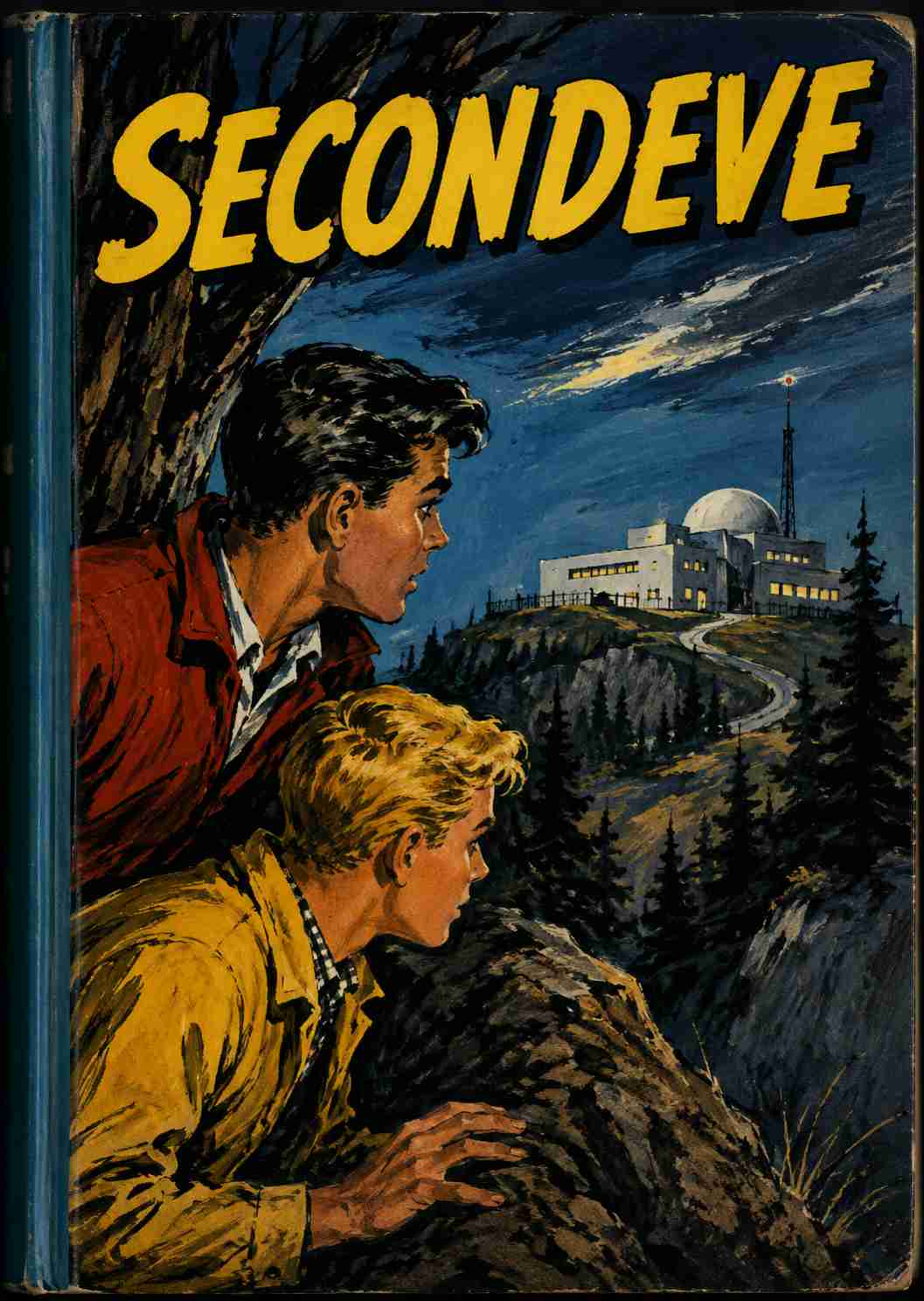
now forge it into a ghost-story that spans time, aetherical/otherworld mystery, include horses equestriana (maybe one character is a rider?), more
sciencey-sci-fi thriller aspect regarding ghosts, past-life energies, life-after-death, soul immortality, chance of fate amidst the workings of the
cosmos. involve a wide mixture of historical figures in at least 9 plot points (1 per chapter).
Planning nine-chapter ghost story outline
Confirming no tags and using Eve/Evey
SECONDEVE
A ghost-story mystery across time, science, soul, and sisterhood
────────────────────────────────────────────────────────────────────────────────
CHAPTER ONE
THE RIDER WHO SAW THE DEAD
In 1966, Evey Vale learned that horses could see ghosts before girls could.
She was sixteen, riding a chestnut mare named Sybil through the misted fields behind Briarhaven Stables in Connecticut, when the horse stopped dead at
the stone wall.
Evey felt Eve’s fear before she saw why.
A woman in a black riding habit stood beyond the wall, pale as frost, one gloved hand resting on the neck of a gray horse that was no longer alive.
The woman looked at Evey and said, “Your sister is not the only one sharing your soul.”
Then she vanished.
Eve, half a mile away in the tack room, dropped a bridle and whispered the same words.
Their mother had told them they were impossible girls: Evey, conceived by experimental science; Eve, cloned eight months before birth; born one month
apart, linked in sense, pain, dream, and thought.
But the ghost at the wall revealed a worse truth.
The link was not merely biological.
It was a door.
And something from beyond death had begun using it.
Historical thread: The apparition carries the presence of Sybil Ludington, the young Revolutionary rider, whose midnight ride becomes the first clue:
courage can echo across blood, land, and time.
────────────────────────────────────────────────────────────────────────────────
CHAPTER TWO
THE TESLA ROOM
The clue led to New York.
Not modern New York, not exactly. The sisters followed a signal only they could feel: a metallic hum behind the eyes, a blue-white spark in the shared
dark of their minds.
It brought them to the ruins of a private laboratory hidden beneath an abandoned hotel near Manhattan’s old scientific district.
Inside was a machine of brass rings, vacuum tubes, crystal lenses, and rotting leather straps.
On the wall:
AETHERIC CONTINUITY ARRAY
CASTOR-SOUL TRANSFERENCE TRIAL
Eve touched the machine and screamed.
Evey saw what Eve saw.
Nikola Tesla, older and gaunt, standing beside men from the Castor Annex. He was not helping them. He was warning them.
“You cannot trap the dead,” Tesla said in the vision. “You can only teach the living to become haunted.”
The machine had been built to measure what happened at death: the alleged departure of electrical soul-patterns into the aether. Castor had stolen the
idea and used Evey and Eve as receivers.
Their shared mind was not the experiment’s accident.
It was the antenna.
Historical thread: Nikola Tesla’s aether theories become the scientific basis for ghost transmission, soul-field resonance, and the sisters’
impossible link.
────────────────────────────────────────────────────────────────────────────────
CHAPTER THREE
THE HORSE BURIED STANDING
Back in Connecticut, Evey’s mare Sybil refused to enter the lower paddock.
The stable owner, Mrs. Rourke, finally told the girls the old story: a champion hunter named Belladonna had been buried standing beneath the oak after
throwing a rider during a storm in 1912.
Evey felt the horse before they dug.
Not bones.
Memory.
A powerful animal mind, frightened and faithful, still circling the moment of impact.
Eve hated horses. They were too large, too honest, too full of bodily thunder. But when Evey entered the paddock at midnight, Eve came with her.
Together, they uncovered a rusted medal tangled in roots.
On it was engraved:
PROPERTY OF C. G. JUNG — SYMBOLIC ANIMAL STUDY
That night, both sisters dreamed of Carl Jung sketching a horse beside a circle divided into three.
“The psyche wears many bodies,” Jung told them. “Girl, sister, clone, ghost, mare. Ask not what is real. Ask what repeats.”
Historical thread: Carl Jung’s ideas of archetype, shadow, synchronicity, and the collective unconscious deepen the mystery: ghosts may be recurring
psychic forms, not merely dead people.
────────────────────────────────────────────────────────────────────────────────
CHAPTER FOUR
THE GIRL IN THE GLASS AFTERLIFE
Evangeline appeared first in a mirror.
Not as a ghost.
As a living girl trapped among the dead.
Evey and Eve found her in the upstairs bathroom at Briarhaven, reflected behind them though no one stood there. She was their age, their face
rearranged by loneliness.
“You were born into bodies,” Evangeline said. “I was born into between.”
Castor had not simply “deferred” her.
They had suspended her biological life while projecting her consciousness into an experimental aetheric field: a place made of dying thoughts,
unfinished lives, animal memory, and human grief.
Evangeline had grown up inside the afterimage of the world.
She knew the dead.
She knew the nearly dead.
She knew souls were not immortal in the simple church-window way.
Souls could fray.
Souls could be trapped.
Souls could be copied badly.
And Castor had tried to copy three.
Historical thread: Marie Curie appears in Evangeline’s aether-memory, warning that discovery without reverence poisons both body and soul.
────────────────────────────────────────────────────────────────────────────────
CHAPTER FIVE
THE LINCOLN FREQUENCY
The sisters’ investigation brought them to an old spiritualist parlor in New York, preserved above a shuttered pharmacy. Its owner had once held
séances for politicians, widows, actors, and frauds.
There, Eve found wax-cylinder recordings labeled:
LINCOLN FIELD TEST
MOURNING FREQUENCY
DO NOT AMPLIFY
When played through the Tesla machine, the room filled with grief so vast it nearly crushed them.
Abraham Lincoln appeared not as a president, but as a father who had buried sons, a husband broken by sorrow, a man carrying a nation’s dead like
stones beneath his coat.
“The dead do not rule the living,” Lincoln told them. “But the living are forever governed by what they refuse to mourn.”
Evey understood then.
Castor had fed on unmourned things: unborn children, hidden experiments, mothers silenced, bodies renamed as material.
Their ghosts were not invading.
They were demanding witness.
Historical thread: Abraham Lincoln’s grief and spiritualist associations become a key plot point about national trauma, mourning, and the ethics of
contacting the dead.
────────────────────────────────────────────────────────────────────────────────
CHAPTER SIX
THE NIGHT RIDE OF JOAN
Evey entered the Briarhaven show ring before dawn.
She had Sybil saddled, Eve at the rail, Evangeline flickering in the mirror of a rain barrel. The plan was reckless: ride the old hunter course at the
exact hour Belladonna died, using horse-memory to open a path into the aether.
Eve hated the plan.
“You could break your neck.”
“You’d feel it first.”
“That is not comforting.”
Evey smiled sadly. “I know.”
The ride began.
Fence one.
Fence two.
Sybil surged beneath her, living muscle and ancient fear. The world blurred. Eve felt hooves in her own bones. Evangeline called from beyond.
At the final jump, Evey saw another rider beside her: a girl in armor, face bright with terror and certainty.
Joan of Arc.
“Fate is not a chain,” Joan said. “It is a horse. It will throw you unless you learn when to hold and when to trust.”
Evey jumped.
For one suspended second, she, Eve, Sybil, Belladonna, Joan, and Evangeline moved as one soul crossing death’s fence.
They landed in the aether.
Historical thread: Joan of Arc becomes the chapter’s guide through courage, fate, spiritual voices, and the terrifying cost of being chosen.
────────────────────────────────────────────────────────────────────────────────
CHAPTER SEVEN
THE DARWIN ERROR
The aether was not heaven.
It was not hell.
It was a vast gray sea of impressions: voices, rooms, battlefields, nurseries, operating theaters, stables, ships, hospitals, and stars. Lives left
patterns there the way hooves leave prints in mud.
At its center stood the Castor Observatory, a place that existed both in 1966 and outside time.
There, the sisters found the core thesis of the project:
SOUL IMMORTALITY IS NOT INDIVIDUAL.
IT IS ADAPTIVE.
SURVIVAL BELONGS TO PATTERN, NOT PERSON.
Castor had twisted evolutionary theory into spiritual machinery. They believed souls were not sacred selves but replicable survival codes. Evey was
one pattern. Eve was its clone. Evangeline was its ghost-extension.
Then Charles Darwin appeared in the form of an old man walking beside a child.
“They have mistaken descent for destiny,” Darwin said. “Kinship is not ownership. Similarity is not sameness. Survival without tenderness is only
continuation.”
Eve wept.
Because that was her secret fear: that being cloned meant being derivative.
Darwin looked at her kindly.
“No living thing is a copy once it has suffered.”
Historical thread: Charles Darwin’s evolutionary legacy is used against Castor’s reductionist soul-science.
────────────────────────────────────────────────────────────────────────────────
CHAPTER EIGHT
THE LOVE THAT RUINED THE MACHINE
Every ghost story needs love.
Not sweet love.
Not easy love.
The kind that destroys plans because it refuses to behave efficiently.
Evey’s was Thomas Keane, a young physician who had loved her since they were teenagers and never fully stopped. Eve’s was Celia Rourke, Mrs. Rourke’s
daughter, a rider with wind-burned cheeks and a laugh that made Eve feel briefly alone in the best way.
Neither romance survived the sisters’ condition cleanly.
Thomas loved Evey but feared the way Eve felt every kiss.
Celia loved Eve but could not bear that Evey sometimes knew her tenderness before Eve spoke it.
They all tried.
They all failed beautifully.
When Castor activated the final aetheric array beneath Briarhaven, Thomas and Celia came anyway.
Ordinary humans.
No cloned link.
No ghost-sight.
No cosmic inheritance.
Only love.
That made them dangerous.
The machine needed Evey, Eve, and Evangeline isolated into roles: original, clone, deferred soul. Thomas and Celia shattered that design by choosing
them as people.
In the storm-lit stable, Thomas took Evey’s hand.
Celia took Eve’s.
Evangeline, watching from between worlds, whispered, “So that is what a body is for.”
Historical thread: Ada Lovelace appears through the machine’s old calculations, revealing that love is the “uncomputed variable” Castor failed to
model.
────────────────────────────────────────────────────────────────────────────────
CHAPTER NINE
THE COSMIC TRIAL
The final chamber opened beneath the old stone stable.
Not a basement.
A courtroom.
Not built by humans.
Formed by witness.
Every life Castor had touched appeared in fragments: mothers, infants, laboratory animals, nurses, soldiers, horses, ghosts, failed clones, erased
names.
The sisters stood at the center.
So did Dr. Adrian Vale, their biological father and Castor’s architect.
He argued that he had served progress.
He argued that death was a problem to solve.
He argued that cloning, soul-transfer, ghost resonance, and aetheric continuity were necessary steps toward immortality.
Then the dead answered.
Not with vengeance.
With memory.
Socrates appeared, calm and severe, asking whether an unexamined immortality was worth having.
Hypatia of Alexandria appeared beside him, insisting that knowledge divorced from humility becomes brutality.
Harriet Tubman appeared last, holding a lantern.
“You don’t own a soul because you found its road,” she said.
That broke the trial.
Not legally.
Cosmically.
The aether rejected Castor’s claim.
The dead did not belong to science.
The living did not belong to fathers.
Clones did not belong to originals.
Sisters did not belong to fate.
Evangeline was offered a choice: remain in the aether and become free among the dead, or return in mortal flesh and suffer time.
She chose pain.
She chose aging.
She chose hunger, rain, horses, jealousy, touch, illness, laughter, grief.
She chose being alive.
Historical thread: Socrates, Hypatia, and Harriet Tubman become witnesses in the cosmic trial of soul ownership, truth, freedom, and moral courage.
────────────────────────────────────────────────────────────────────────────────
EPILOGUE
THE THREE RIDERS
Years later, people in the Connecticut hills spoke of three women riding at dusk.
Evey on Sybil’s last foal.
Eve on a black mare named Mercy.
Evangeline on a gray horse that no one remembered buying.
They rode the old fields where Revolutionary ghosts still crossed stone walls, where Belladonna’s bones slept under oak roots, where science had once
tried to make immortality without love.
The sisters never fully escaped sorrow.
Thomas died before Evey was ready.
Celia left Eve, returned, left again, and wrote letters until the end.
Mara was forgiven only after forgiveness no longer helped her.
Evangeline grew old with astonishment and fear, because every wrinkle meant she had remained.
But the sisters had learned the great mystery.
The soul was not a prisoner of flesh.
Nor was it free of flesh.
It was a rider.
The body was the horse.
Life was the field.
Death was not the fence.
And somewhere beyond the visible world, fate waited like weather — powerful, ancient, and never entirely immune to courage.